
Distinguished Scholars
Meet Our 2026 Cohort
The OneWe Reach Foundation’s Distinguished Scholars Program is a national recognition and career development initiative designed to elevate outstanding students who are shaping the future of health.
This prestigious program increases visibility, fosters leadership, and strengthens the talent pipeline across the biopharmaceutical and broader healthcare innovation ecosystem.
Distinguished Scholars Fellows
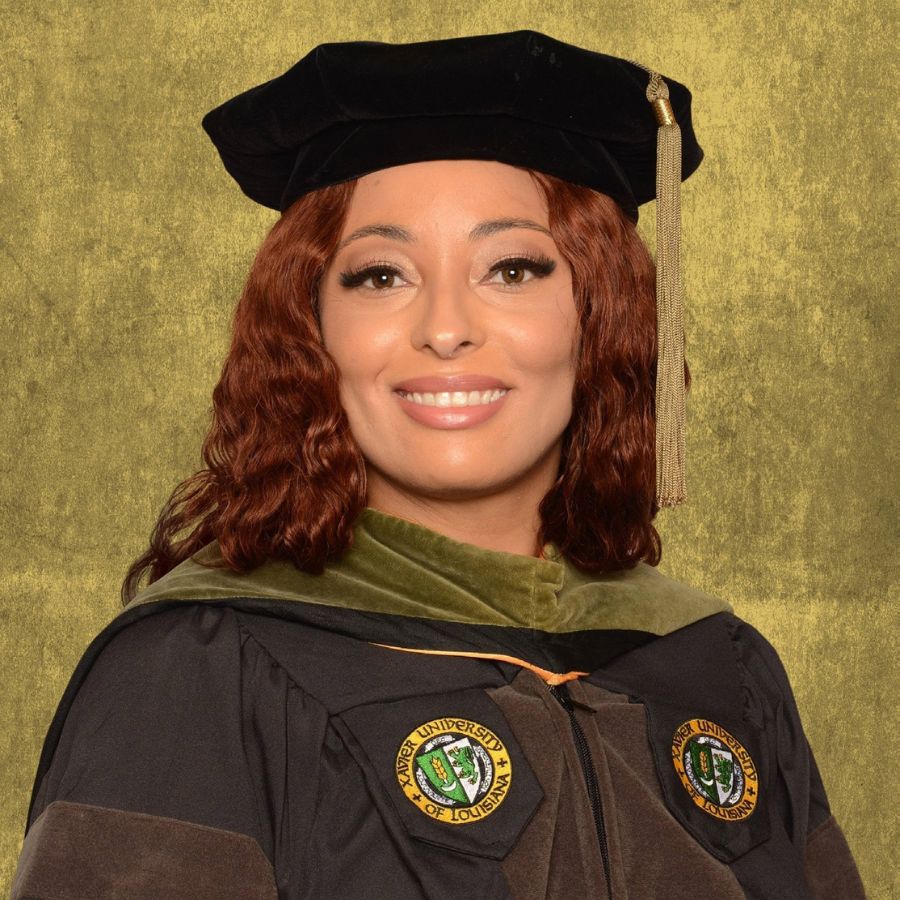
Through a career in biopharma, I hope to help build a future where innovation and creativity intersect with health equity. I want to help shape a healthcare system in which the data guiding treatment decisions, the therapies brought to market, and the research used to define safety and efficacy reflect the full diversity of the people they are meant to serve. That matters to me because health disparities are not abstract. I have seen what happens when communities are left out of research, excluded from early access, and overlooked in the conversations that shape their care. When that happens, the gap is not only in representation. It also appears in trust, safety, outcomes, and whether people believe the healthcare system was ever built with them in mind. I come from New Orleans, a city that knows what resilience looks like. I come from people who know how to carry one another, treat community like family, and believe we are each other’s keeper. That is the spirit I want to carry into biopharma. I want my work to be rigorous without becoming disconnected from people. I want to help build more inclusive clinical research, stronger development strategies, and better therapies while bringing a little Crescent City magic into every trial, every team, and every space I enter. I want patients to feel seen in the science, and I want the next generation to see that they belong there too.
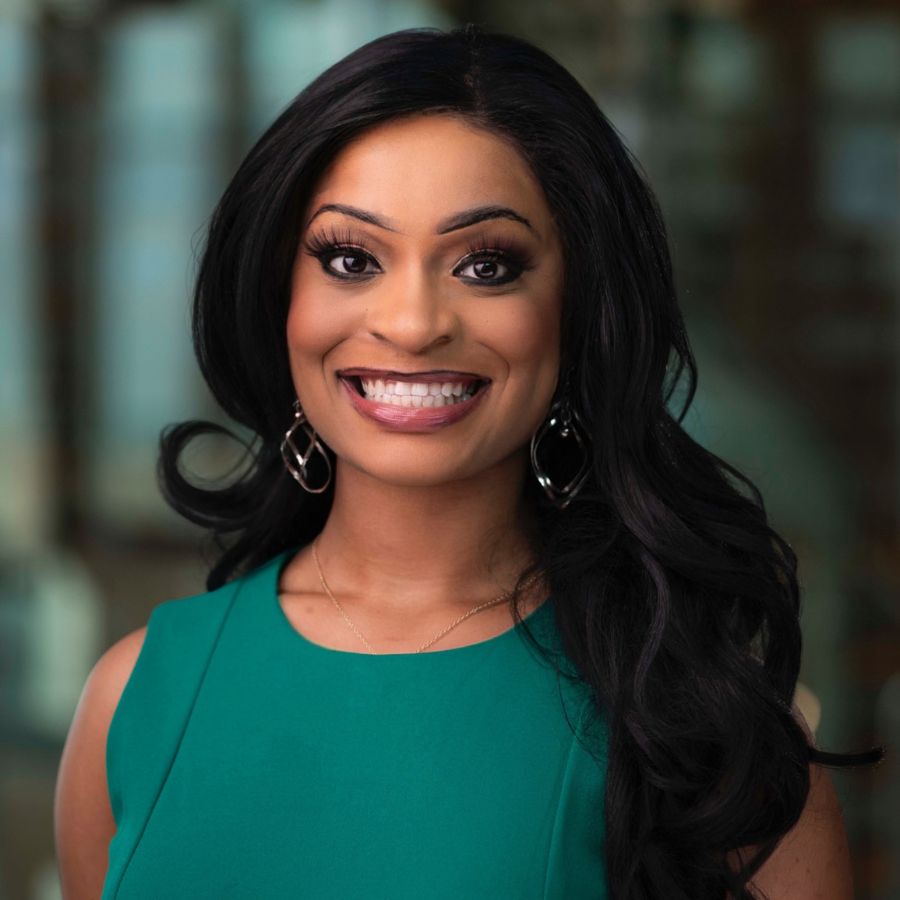
Through a career in biopharma, I aim to dismantle the systemic barriers that prevent underserved communities from accessing and participating in life-saving clinical research. My work at Genentech within Population Science has solidified my commitment to health equity by bridging the gap between complex scientific data and the diverse patient populations it is intended to serve. Moving forward, I hope to scale this impact by leveraging digital innovation and health literacy to ensure that clinical trials are not just accessible, but representative. Whether through automating analysis to identify unmet needs in rare diseases or leading training platforms for site investigators, my goal is to foster a healthcare ecosystem where scientific depth is always balanced with cultural humility. Ultimately, I strive to ensure that every patient, regardless of their background, feels empowered to navigate their therapy and achieve the best possible health outcomes.
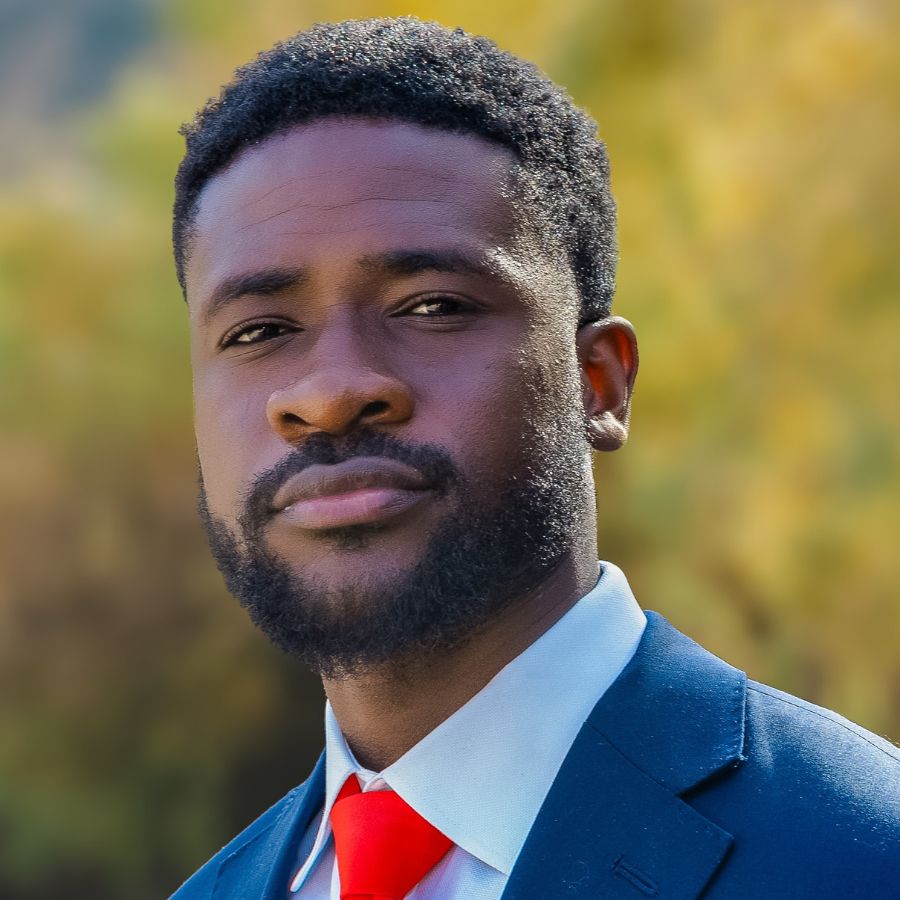
My goal in pursuing a career in biopharma and life sciences is to drive meaningful, lasting change both within the industry and in the communities it serves. Through my RxFellowship initiative, I have already begun addressing a gap I experienced firsthand: the lack of accessible, transparent guidance for pharmacy students navigating the competitive fellowship application process. Many students, particularly those from underrepresented or non-traditional backgrounds, enter this process without mentorship or a clear roadmap. RxFellowship was built to change that, providing structured resources, peer support, and direct mentorship to help students confidently pursue careers in biopharma and life sciences. Looking ahead, I envision growing RxFellowship into a comprehensive platform that connects students with industry professionals, hosts career development workshops, and systematically widens access to opportunities that have historically been concentrated among a select few. Diversifying the pipeline of future biopharma leaders matters deeply to me because the people shaping drug development, safety, and policy should reflect the full diversity of the patients they ultimately serve.
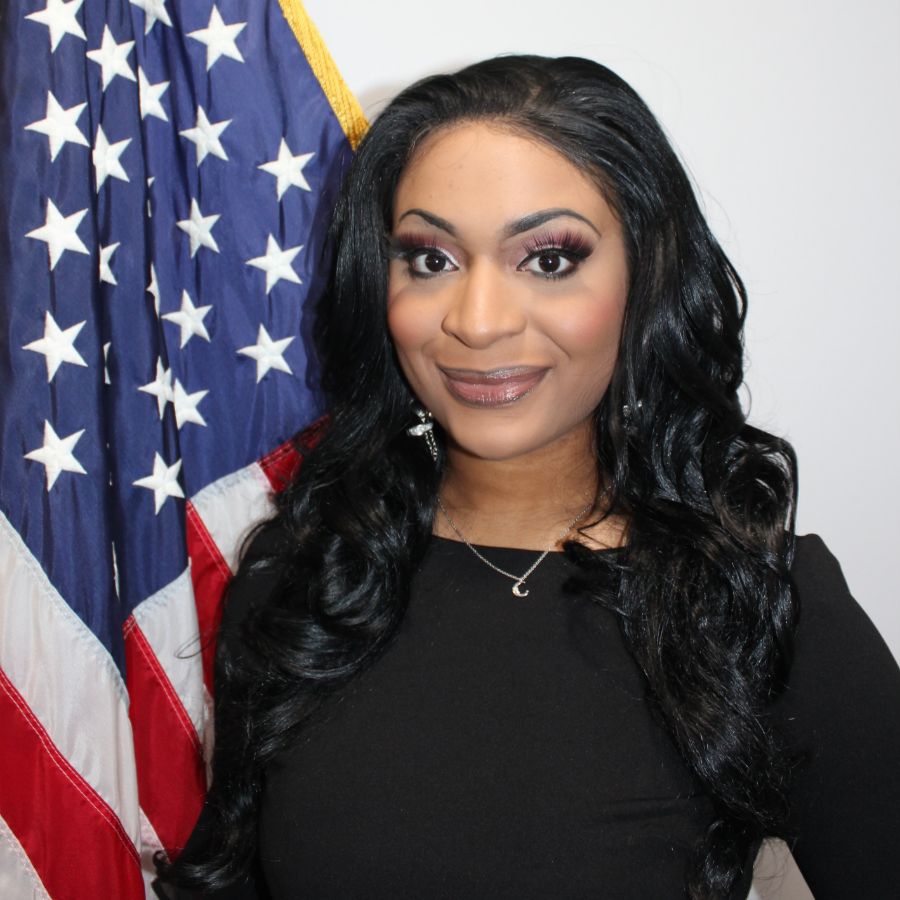
By pursuing a career in biopharma and the life sciences, I am particularly interested in reducing preventable medication errors that affect millions of vulnerable individuals within the community. These errors, whether caused by unclear labeling, complex dosing regimens, fragmented care and education or gaps in communication, disproportionately impact populations such as the elderly, individuals with chronic conditions, and those with limited access to healthcare resources. My experience working with veterans as a pharmacist has reinforced this commitment. I observed how a lack of patient education and engagement can be a detriment to health adherence and hope to work in spaces that ensure that individuals fully understand their treatments and feel empowered to manage them safely.
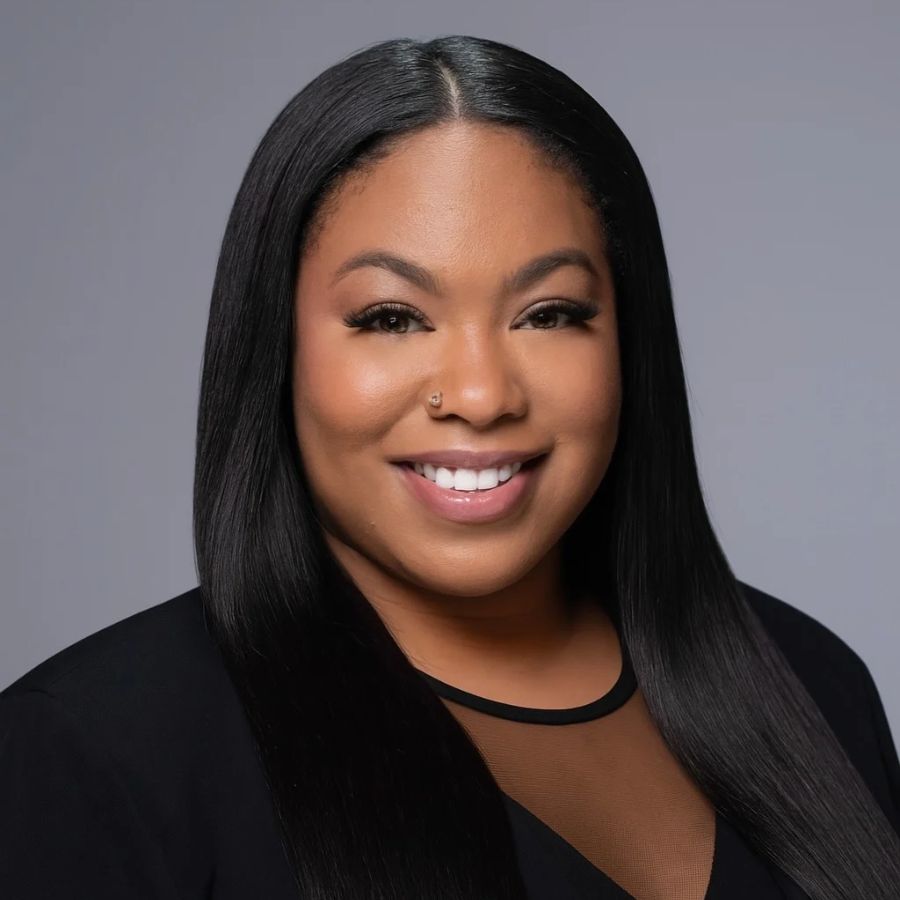
I did not come to regulatory affairs by accident. I was drawn to the pharmaceutical industry by curiosity, but what kept me there was something I did not expect – the realization that the most important work was not happening in the lab. It was happening in the space between science and the people it was meant to serve. I am not a marketer. I am a translator. Someone who can understand the science deeply and ensure that when it reaches patients, it does so responsibly, accurately, and with fair balance. Regulatory advertising and promotion became the place where my analytical instincts and my commitment to clear, honest communication finally met. My hope is that my career contributes to a higher standard for how patients receive health information. Every promotional piece that comes through review represents a real person making a real decision about their health. That responsibility is one I carry with me. Patients deserve messaging that is accurate, balanced, and compliant – not simply because it is required, but because accurate information is the foundation of patient trust. When regulatory reviewers hold that standard, the impact extends far beyond a single piece of content. It shapes how patients understand their conditions, how they engage with their providers, and how much they trust the industry speaking to them. That downstream impact, from rigorous regulatory review to informed patients and better health outcomes, is the community impact I am working toward and the standard I am committed to upholding throughout my career.
Distinguished Scholars
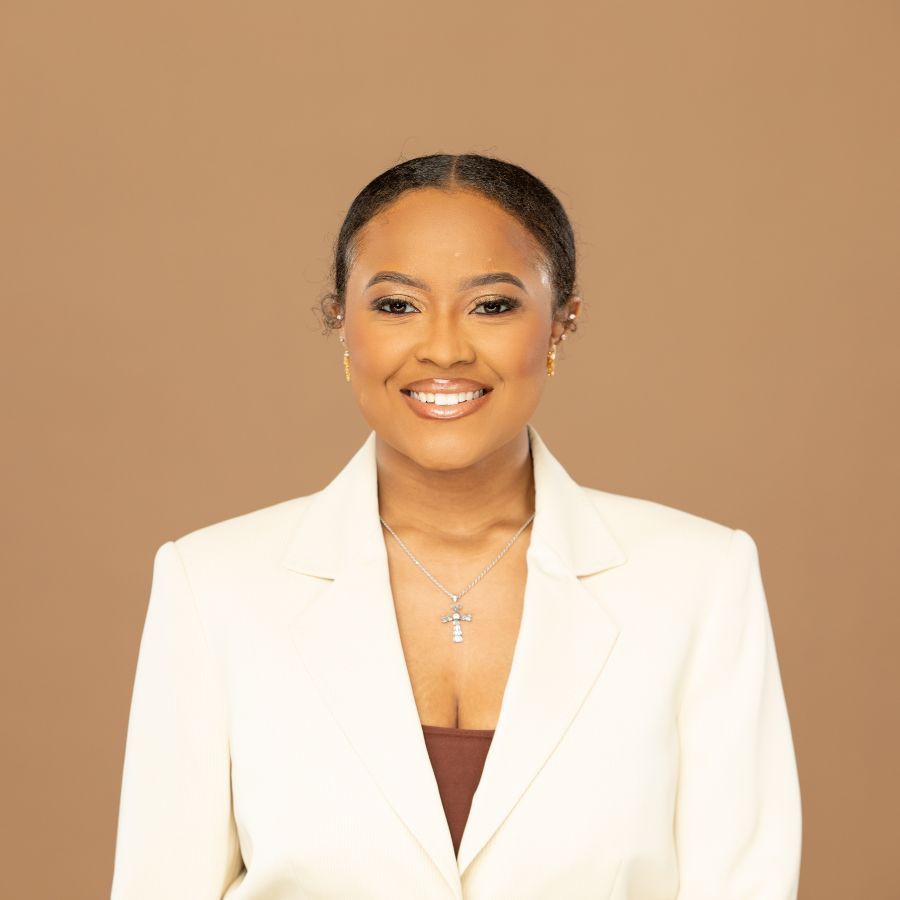
Through a career in biopharma and life sciences, I hope to create community impact by translating community-level research and lived experience into solutions that improve medication access on a national scale. My interest in the pharmaceutical industry is rooted in firsthand exposure to the barriers faced by Black communities, including my own family, related to medication literacy, affordability, and navigation of complex healthcare systems. Throughout my pharmacy rotations and PhD dissertation research, I have observed how gaps in medication access and understanding directly contribute to poorer health outcomes. Beyond my academic training, I have served as my family’s medical interpreter and advocate, supporting relatives during hospital visits, physician appointments, and day to day medication related decisions. These experiences have shown me how structural barriers, not lack of motivation, often determine whether patients can benefit from life saving therapies. In biopharma, I want to apply my research and analytical skills to ensure that medications reach the populations who need them most. I am particularly drawn to market access and Health Economics and Outcomes Research roles because they sit at the intersection of clinical evidence, policy, and patient experience. Through these roles, I aim to identify disparities in utilization, evaluate real world outcomes, and inform access strategies that reflect the realities of underserved communities. Ultimately, my goal is to make an impact for patients on a broad scale in the same way I have supported my own family, by ensuring that medications are not only developed, but are understandable, accessible, and equitably delivered to all populations.
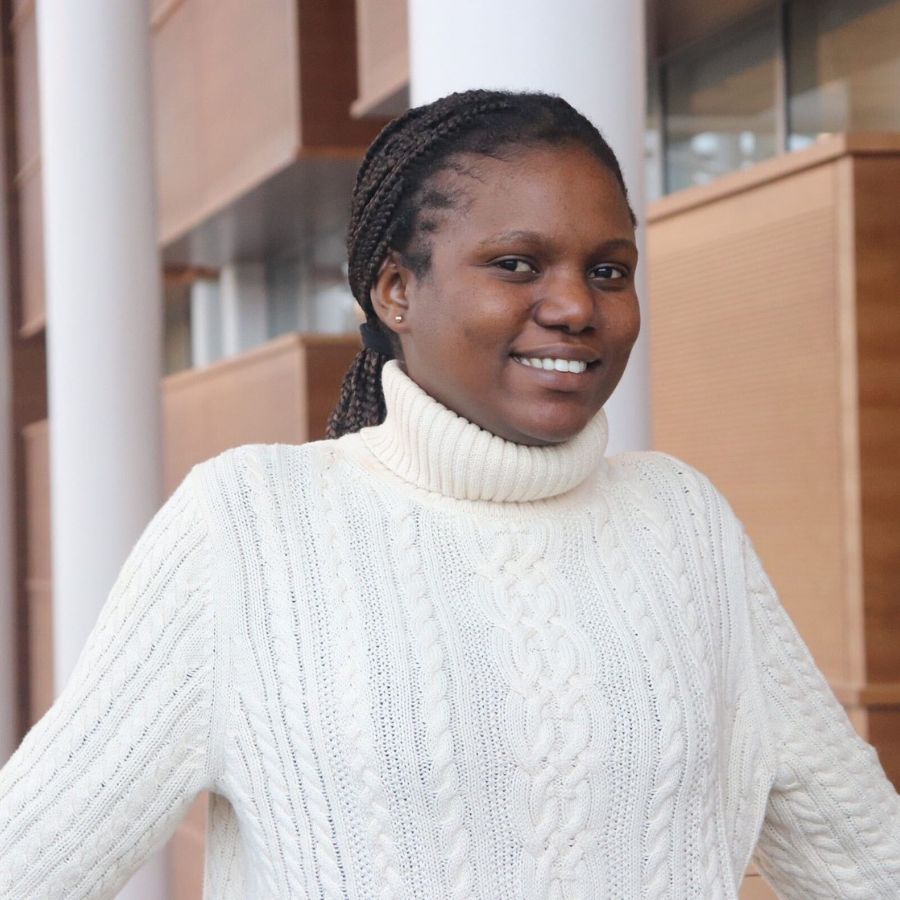
Through a career as a scientist in biopharma research and development, I aim to ensure that scientific innovation directly improves health outcomes in underserved communities. My experience as Midwest Student Representative for the National Organization for the Professional Advancement of Black Chemists and Chemical Engineers (NOBCChE) showed me that meaningful impact requires more than discovery; it requires intentional inclusion at every stage of science. In this role, I led outreach, mentorship, and regional programming that expanded access to STEM and connected students across institutions. Working with local schools and coordinating cross-campus initiatives exposed me to the structural barriers (limited access, lack of representation, and mistrust) that often prevent communities from benefiting from scientific progress. These experiences now shape how I approach my future in research. As an R&D scientist, I aim to develop therapies that address diseases disproportionately affecting underserved populations while advocating for inclusive research design and clinical trials that reflect patient diversity from the outset. I am particularly committed to ensuring that early-stage research considers real-world barriers to access, so treatments are not only effective, but also reachable. Beyond the lab, I plan to remain engaged in community outreach by promoting scientific literacy and building trust between researchers and the communities they serve. Ultimately, I hope to help create a biopharma landscape where innovation is not separate from equity, but a driver of it.
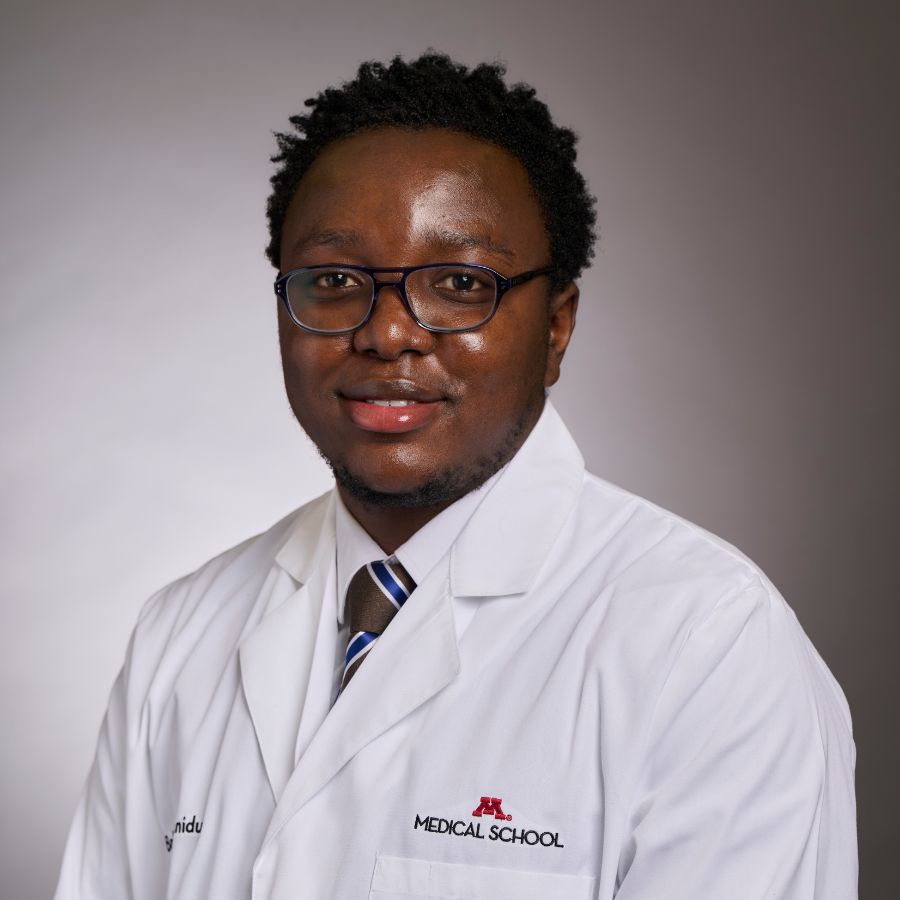
Through a career in biopharma and life sciences, I hope to help reduce the burden of cardiovascular and kidney diseases, particularly those driven by high salt intake and hypertension. My research has shown me how closely basic physiological mechanisms are tied to real-world health outcomes, and I am motivated by the idea that discoveries in the lab can be translated into therapies that meaningfully improve patients’ lives. Beyond developing or supporting new therapeutics, I also hope to impact how science is communicated and accessed. During my outreach work in the Twin Cities, I have seen how early exposure to science can shift how young students view their own possibilities. I would like to continue engaging with communities, especially underrepresented and under-resourced groups, to make biomedical science feel more accessible and relevant. In addition, I am interested in contributing to the development of treatments that are both effective and accessible for patients worldwide. My background has exposed me to different healthcare systems, and I am mindful that many patients face barriers beyond the biology of disease, including access and affordability. I hope to build a career that connects scientific discovery with real-world impact by advancing therapies in biopharma and also contribute to a broader culture of education, inclusion, and awareness around kidney and cardiovascular health.
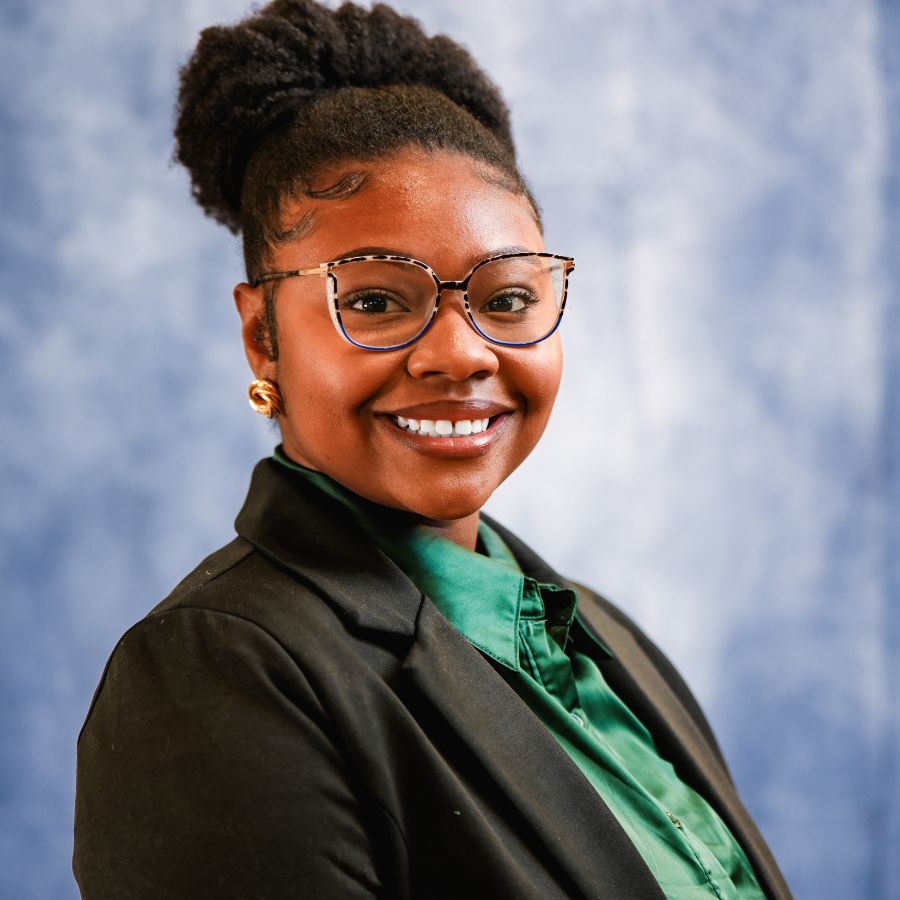
Through a career in biopharma and life sciences, I hope to make a practical and measurable impact by helping ensure that new therapies are both accessible and understandable for the communities that need them most. My experiences in pharmacy school and community-focused work have shown me that even when effective treatments exist, patients often face barriers such as cost, limited awareness, and lack of trust in the healthcare system. I am especially interested in pursuing a role in Medical Affairs because it allows me to work at the intersection of clinical evidence and patient care. In this role, I would focus on translating complex clinical data into clear, relevant information for healthcare providers, while also supporting education and outreach efforts that help patients better understand their treatment options. I am also interested in contributing to initiatives that improve representation in clinical research and address access challenges, particularly for underserved populations. Long term, I hope to be involved in efforts that support patient access programs, inform reimbursement strategies, and bring patient and provider perspectives into decision-making. My goal is not only to support the development of innovative therapies, but to help ensure they are used effectively in real-world settings. Overall, I want my work to contribute to closing gaps in access and understanding—so that advances in biopharma lead to meaningful improvements in patient outcomes across diverse communities.
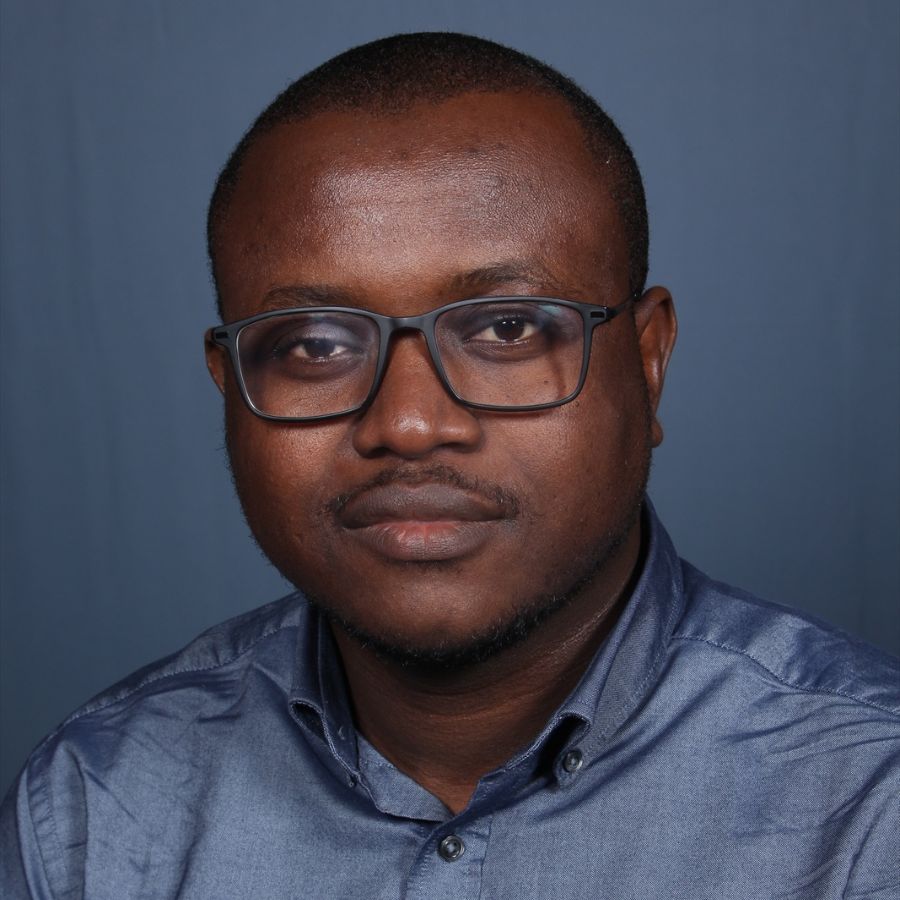
My long-term goal in biopharma is to contribute to the development of safe, effective, and accessible therapeutics while expanding opportunities for underrepresented communities in science. I am driven by the intersection of chemistry, healthcare, and public impact, where rigorous molecular design and process innovation translate into improved patient outcomes. Scientifically, I aim to work across the drug development pipeline—from early-stage molecular design to process optimization and regulatory readiness. My background in synthetic chemistry, analytical characterization, and pharmaceutical quality control equips me to design and optimize small molecules while ensuring scalability, reproducibility, and product quality. I am particularly interested in advancing drug delivery systems and diagnostic technologies that improve disease detection and treatment precision. Through this work, I hope to contribute to therapies that are not only innovative but also accessible to diverse and underserved populations. Equally important is my commitment to mentorship and representation. As a first-generation scientist, I have experienced the challenges of navigating academic and professional systems without established guidance. I aim to actively mentor students from underrepresented and nontraditional backgrounds, helping them access research opportunities, develop technical skills, and build confidence in scientific spaces.
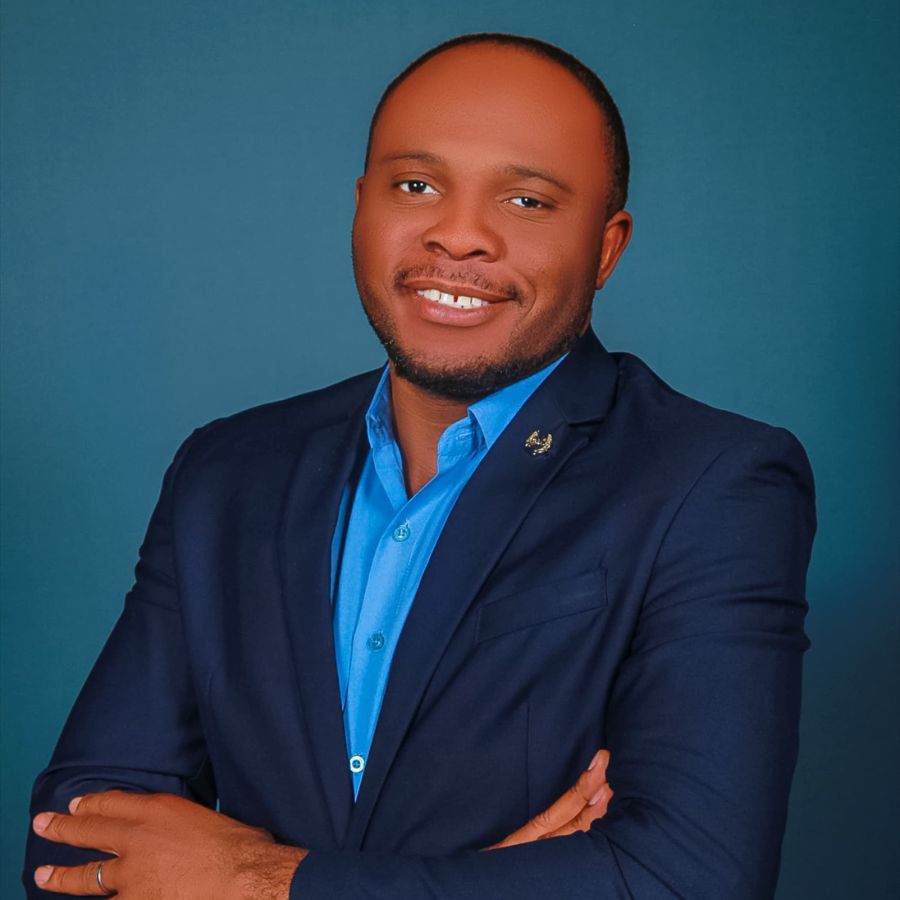
Through a career in biopharma and life sciences, I hope to have a community impact that is rooted in translation, equity, and mentorship. What draws me to this field is the opportunity to move scientific discovery beyond the lab and into forms that genuinely improve people’s lives. As a chemical biologist, I am motivated by the challenge of translating complex molecular insights into practical, scalable, and responsive therapies that address real patient needs. Community impact, to me, means contributing to medicines that do not remain abstract breakthroughs but become accessible tools in clinical settings. Working in biopharma allows me to engage with the full development pipeline and to help ensure that scientific rigor is paired with thoughtful design and delivery. Equally important is impact through equity and access. Scientific innovation only achieves its full value when it reaches diverse populations. I hope to advocate for development strategies that incorporate inclusivity from the outset, from study design to delivery platforms, especially for historically underserved or overlooked communities. Finally, I aim to contribute through mentorship and visibility. I want to support students and early-career scientists who may not see a clear path into biopharma, helping demystify industry careers and sharing practical guidance. By mentoring others while advancing impactful science, I hope to help build a life sciences community that is innovative, inclusive, and sustainable.
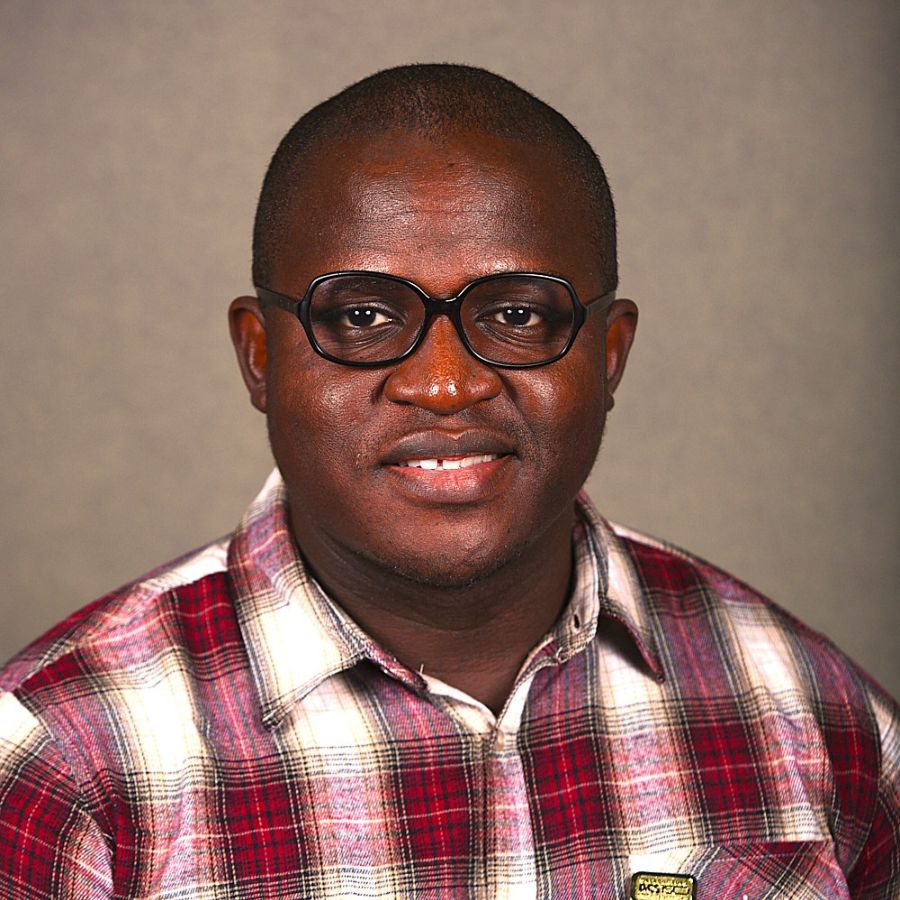
Leadership has been central to my identity as a scientist, mentor, and community builder. Throughout my graduate training and beyond the laboratory bench, I have intentionally sought roles that allow me to support others, strengthen scientific communities, and expand access to opportunities. What motivates me is the belief that science advances most meaningfully when people are supported, connected, and empowered. As the current Vice President of the American Chemical Society Graduate Student Organization (ACS‑GSO) at the University of Nevada, Reno, I help build programs that support students academically, professionally, and socially. In Fall 2025, I organized networking events that connected new graduate students with senior peers, easing their transition into research‑intensive environments. I co‑led a job‑readiness seminar featuring a CV expert from Yoh Life Sciences, providing tailored guidance for students preparing for internships and industry roles. I also coordinated a department-wide seminar with a scientist from American Battery Technology Company, exposing students to emerging industrial chemistry and sustainability efforts. One of my most meaningful contributions was helping plan the first Chemistry Graduate Research Symposium, which showcased graduate research, fostered peer mentorship, and gave undergraduates a window into graduate-level scientific inquiry. These initiatives strengthened our department’s professional development culture and broadened students’ understanding of career pathways. My commitment to student development recently led to my appointment as the Graduate Student Representative on the ACS Undergraduate Student Advisory Board, where I advocate for programming that prepares students for successful careers. Across all these roles, a consistent theme emerges: my commitment to advancing science while uplifting the people who will carry it forward.
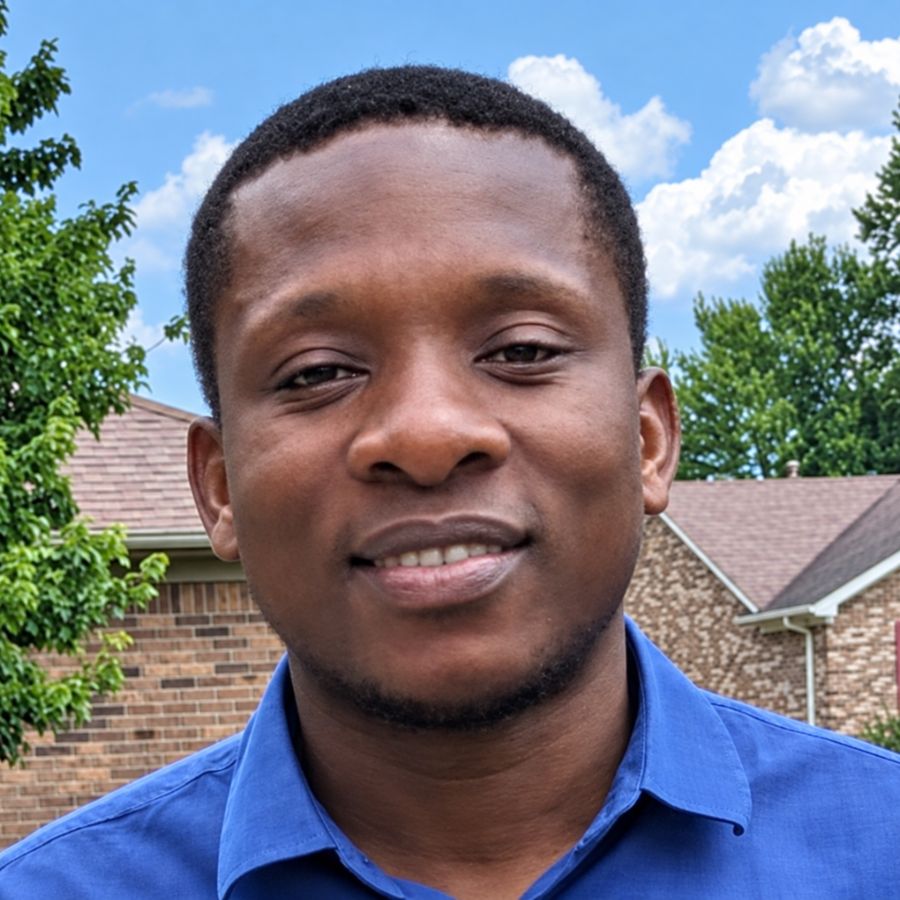
My research focuses on pharmacy accessibility, pharmacy closures, and rural livability, examining how access to community-based pharmacy services functions as a measurable dimension of health equity and quality of life. Approximately 60 million Americans—nearly 20% of the U.S. population—live in rural areas, where healthcare infrastructure is often limited, and national estimates indicate that more than 35 million people (about 4.7% of the population) reside in pharmacy deserts with inadequate geographic access to pharmacy services. Using spatial, temporal, and mobility-based analyses, my work identifies persistent structural gaps in service delivery, particularly in rural and underserved communities. These gaps directly affect medication adherence, chronic disease management, vaccination uptake, and emergency preparedness. Through a career in biopharma and life sciences, I aim to ensure that advances in medical treatment translate into real, timely, and equitable access at the community level. While pharmaceutical innovation has expanded therapeutic options for chronic and acute conditions, these benefits are unevenly realized when local pharmacy access is disrupted by closures, workforce shortages, or spatial mismatches between services and populations. Without reliable access points, even highly effective therapies cannot achieve their intended population-level impact. I plan to apply my analytical expertise within the biopharma and life sciences ecosystem by supporting data-driven decisions related to service distribution, delivery models, and community engagement strategies. This includes informing where new therapies can be effectively deployed, how supply chains interact with local access constraints, and how policy or operational interventions can mitigate access disruptions. Ultimately, my goal is to bridge the gap between pharmaceutical innovation and community-level health outcomes, ensuring that scientific advances improve everyday health experiences across urban, suburban, and rural communities.
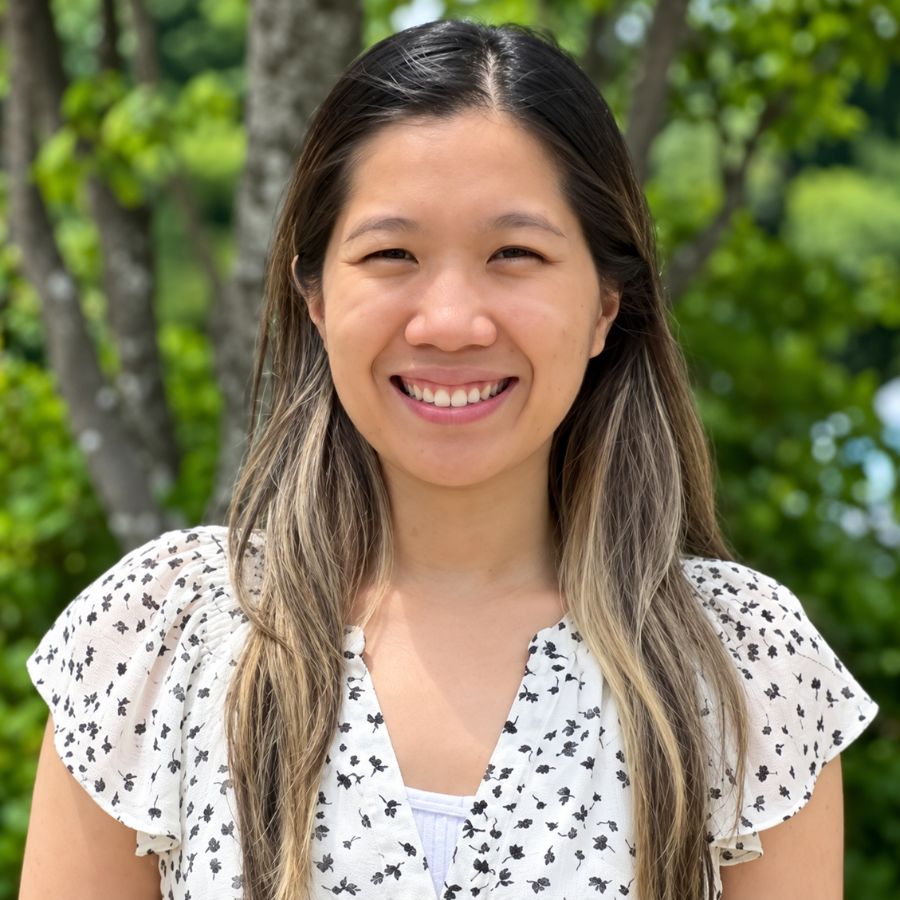
Through a career in biopharma and life sciences, I hope to create community impact by improving access to trustworthy medical information and helping translate complex scientific discoveries into knowledge that patients can understand and use. While scientific innovation has produced remarkable advances in drug development, there is often a disconnect between medical research and the people it is meant to serve. My goal is to help bridge that gap by combining scientific expertise with clear, ethical communication. My interest in this work began through experiences in medical writing and pharmacy practice. These roles showed me how essential accurate scientific communication is for patient safety, regulatory transparency, and public trust. When patients do not fully understand their medications or health conditions, they may struggle with adherence, develop fear or misinformation about treatments, or fail to receive the full benefit of modern medical advances. I believe professionals in the life sciences have a responsibility not only to develop therapies, but also to ensure that the knowledge surrounding them is communicated clearly and responsibly. In the long term, I hope to contribute to the development and responsible communication of therapies that improve patient outcomes while also empowering communities with knowledge. Whether through clinical pharmacy practice, medical writing, or industry collaboration, I want my work to make medicine more accessible and understandable to the people who depend on it. Ultimately, the impact I hope to have is helping patients feel informed, confident, and supported in their healthcare decisions. By strengthening the connection between science and society, I hope to contribute to a healthcare system that is not only innovative, but also compassionate and accessible.
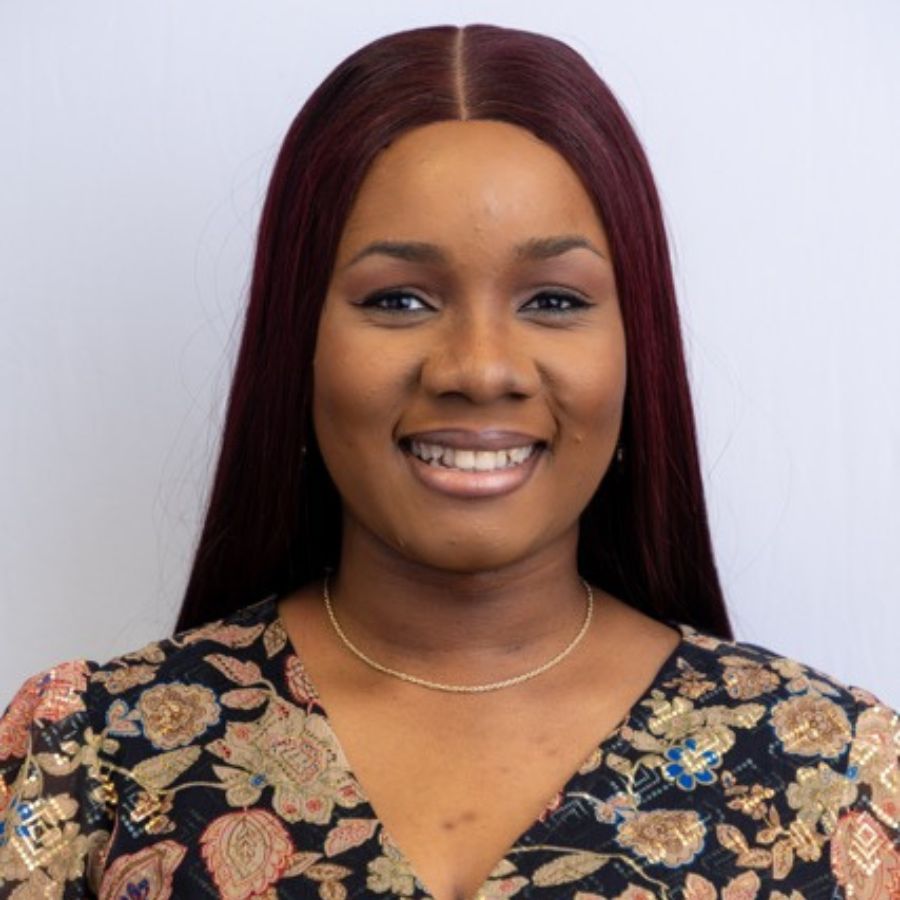
Through a career in life sciences, I hope to create long-term positive community impact by advancing equitable access to life-saving therapies while cultivating the next generation of scientists from historically underrepresented backgrounds. My long-term goal is to work collaboratively with scientists and contribute to the discovery and development of innovative therapeutics for cancer and infectious diseases. By integrating biochemical, structural, and computational approaches, I aim to help accelerate drug discovery pipelines and translate rigorous science into treatments that improve both quality of life and public health outcomes. Beyond research, I am deeply committed to community-centered engagement and mentorship. I plan to actively mentor students who demonstrate a passion for professional development and growth, giving them clear actionable roadmaps and skills training to successfully integrate into life sciences industry positions. By sharing knowledge and opportunities, I hope to reduce systemic barriers that limit participation in STEM and foster a more diverse, innovative workforce. I also envision partnering with academic institutions, industry, and community organizations to promote science literacy and public trust in biomedical research. Clear communication about how therapies are developed, tested, and delivered is essential for bridging gaps between scientific advancement and community adoption. Ultimately, my desired community impact is twofold: advancing access to therapeutics that address critical health challenges and building an inclusive scientific community where diverse perspectives drive innovation. This dual commitment to discovery and service will guide my career in life sciences.
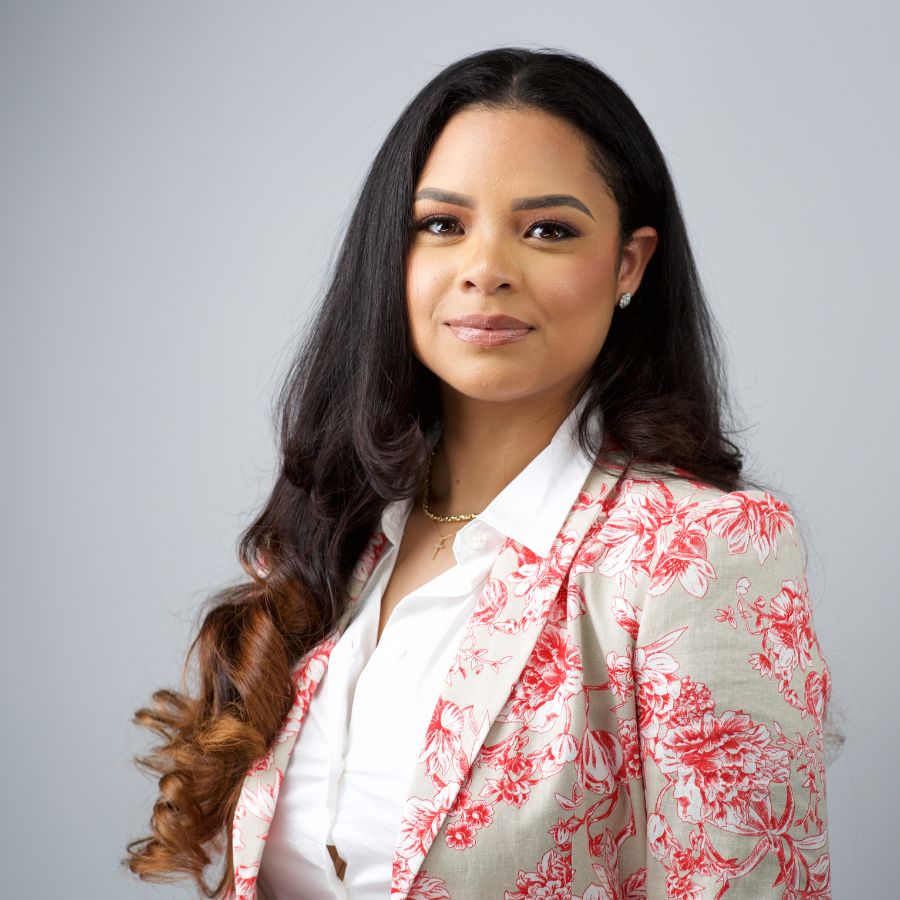
Through a career in biopharma and life sciences, I hope to create meaningful impact by improving access to innovative therapies and reducing disparities in healthcare. As a PharmD/MBA candidate with experience in clinical, managed care, and consulting environments, I have seen firsthand how systemic barriers—such as cost, limited awareness, and inefficient processes—can prevent patients from receiving optimal treatment. My goal is to work at the intersection of clinical science and business strategy to help develop and deliver therapies that are not only effective but also accessible. I am particularly interested in specialty pharmacy and managed care, where decisions about formulary placement, reimbursement, and patient support programs directly shape health outcomes. By contributing to data-driven decision-making and patient-centered solutions, I hope to influence how therapies reach underserved populations. Additionally, I aim to serve as a mentor and advocate for students from underrepresented backgrounds in pharmacy and life sciences. As a leader in organizations such as AMCP and NHPA, I have seen the importance of representation and guidance in shaping career pathways. I hope to continue creating opportunities that empower future healthcare professionals to pursue roles in industry, research, and leadership. Ultimately, I envision a career where I can bridge science, business, and community needs—helping to build a healthcare system that is innovative, equitable, and sustainable.
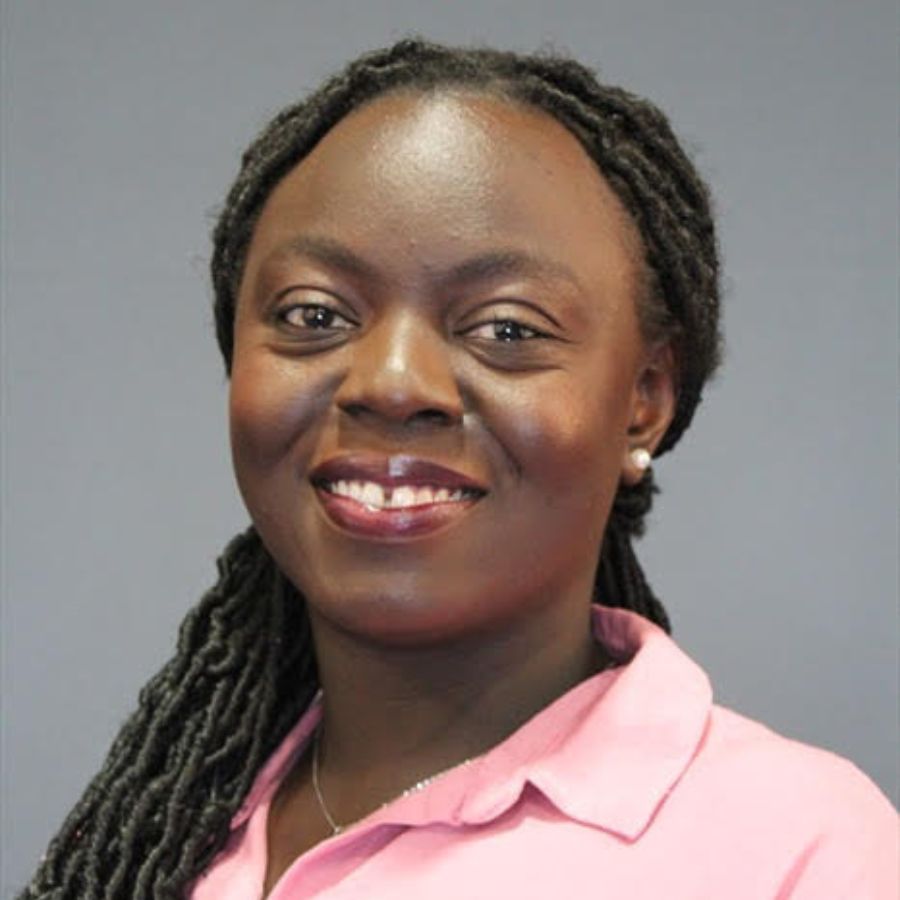
Imagine a world where access to innovative medicines and treatment is not determined by financial resources, and every person has an equal chance to live. That is the impact I hope to achieve, one community at a time. Currently, my focus is on the non-communicable disease community, particularly cancer patients. I aim to use my research to help even the playing field so that all patients, regardless of socioeconomic status, age, race, or geographic location, have equal access to state-of-the-art therapies and a fair chance at life. As a Ghanaian from Sub-Saharan Africa, this work is deeply personal. Africa is transitioning from a region once dominated by infectious diseases to one increasingly burdened by both infectious and non-communicable diseases. I want to give my people a fighting chance. Through my research, I hope to identify ways to bridge financial gaps without compromising quality care or access to innovation, especially in low-resource settings. By leveraging my skills in spatial and social epidemiology, I aim to uncover scalable solutions that work in underserved communities in the United States and translate those insights to Ghana and across Africa. I also believe this work has broader implications: improving equitable access globally can help redistribute the cost burden of medicines, which is currently disproportionately borne by wealthier countries like the United States. Ultimately, I hope to contribute to a more equitable global medicine market: one where access, affordability, and innovation are shared.
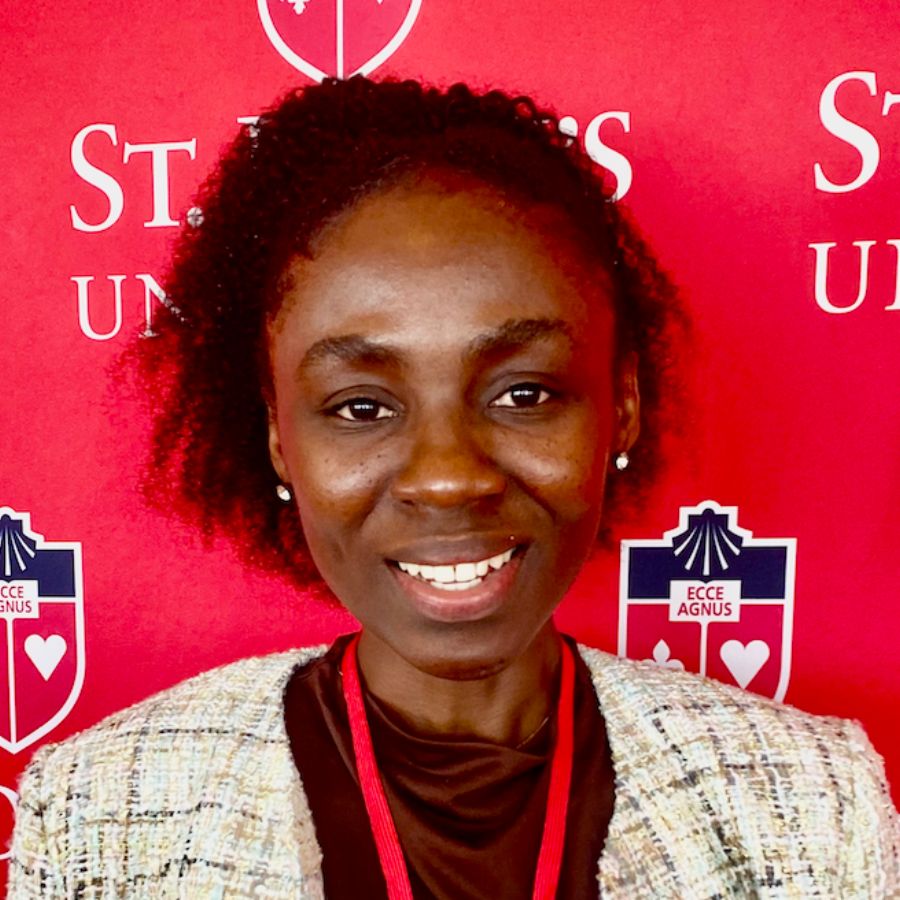
I have seen what a failed drug supply chain looks like from the inside. As a coordinator at Zipline International, I watched clinicians in rural Ghana, Kenya, and three other African countries attempt to order life-saving medicines through systems that were never designed for their reality: poor connectivity, no call credit, and infrastructure that assumed resources they did not have. The medicines existed. The patients existed. The gap between them was the problem. That experience is inseparable from why I am now in a laboratory at St. John’s University investigating JAK2/STAT3 inhibition in pediatric neuroblastoma. High-risk neuroblastoma kills more than half the children diagnosed with it. Globally, many of those children live in settings where even a successful therapy developed in a New York lab may never reach them, not because the science failed, but because the systems failed. I want to help develop targeted therapies for childhood cancers that are not only effective but designed from the beginning with accessibility in mind, therapies that do not require cold-chain infrastructure that rural clinics cannot support, or dosing regimens that only work in well-resourced hospitals. But I also want to use whatever platform my career builds to advocate for the distribution systems, the policy frameworks, and the cross-continental partnerships that get medicine to the child who needs it. I already know what it costs when those systems fail. I am not willing to do the science and stop there.
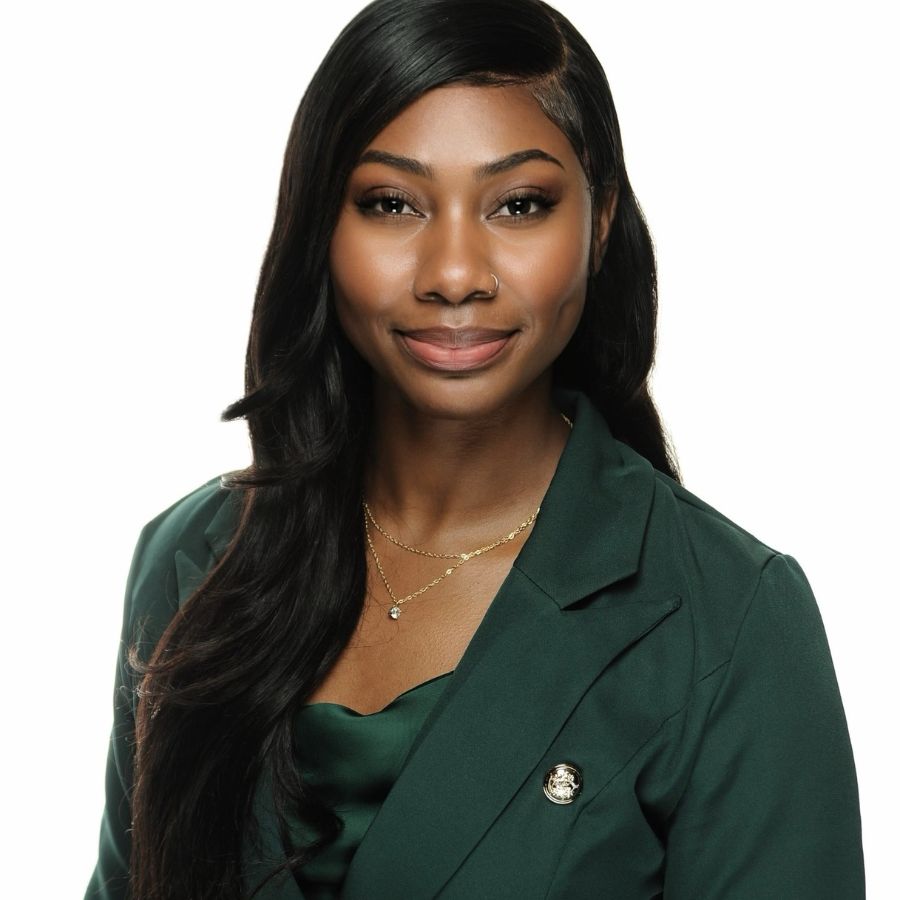
Through a career in clinical development, I hope to contribute to advancing therapies that are both innovative and truly representative of the patients they are intended to serve. I am particularly interested in the role clinical development plays in translating early research into safe, effective, and accessible treatments through well-designed clinical trials. My goal is to be involved in the design and execution of clinical studies that prioritize diverse patient populations and generate meaningful, generalizable data. There are persistent gaps in how certain groups, particularly racial and ethnic minorities and patients with complex comorbidities, are represented in trials. I hope to help address these gaps by supporting more inclusive study designs and ensuring that clinical endpoints reflect real-world patient needs. In addition, I am passionate about bridging the gap between data generation and clinical application. Clinical trials produce large amounts of complex information, but their true impact depends on how effectively that data is interpreted and communicated. I aim to contribute to cross-functional teams that translate clinical findings into clear, actionable insights for regulatory decisions and clinical practice. Ultimately, I hope my work in clinical development will help bring forward therapies that not only meet regulatory standards, but also improve outcomes and build trust within the communities they serve. By combining scientific rigor with a commitment to equity and patient-centered care, I aim to make a meaningful and lasting impact in biopharma.
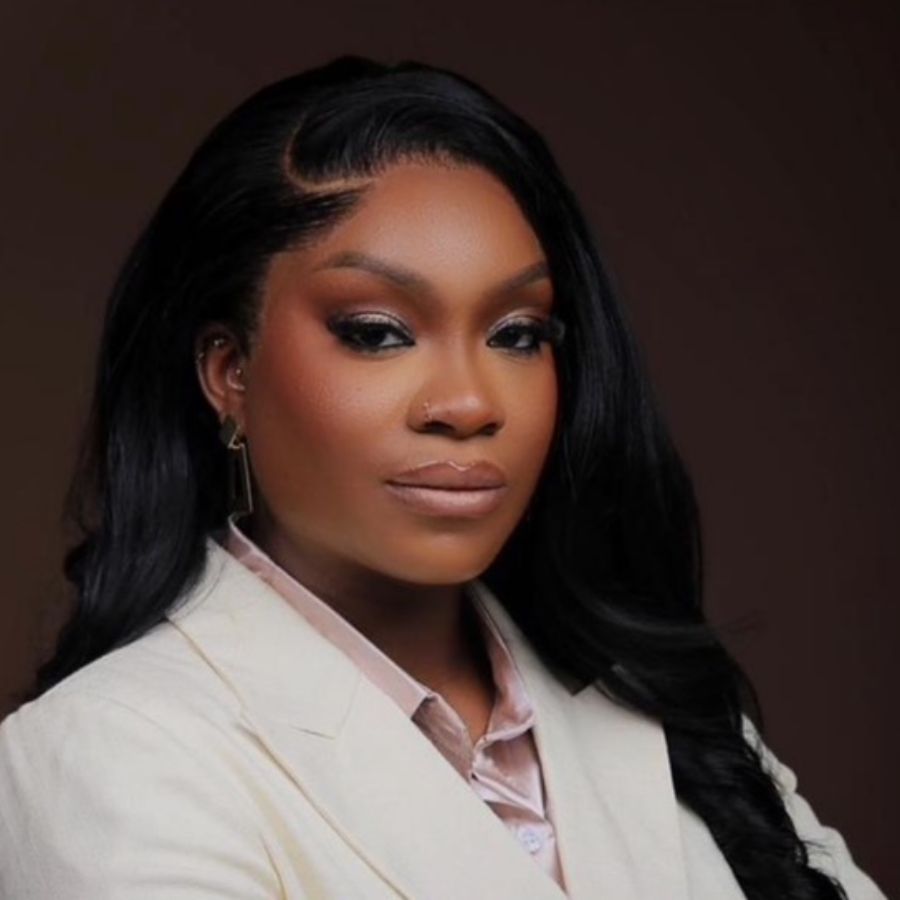
My long-term goal in biopharma and life sciences is to help build more equitable healthcare systems by improving representation, access, and trust in clinical research and therapeutic development. As a pharmaceutical quality professional working in a GMP-regulated environment, I have developed a strong understanding of the systems that ensure product quality, safety, and regulatory compliance. However, I believe that scientific and technical excellence must be paired with intentional efforts to serve the communities that are often underrepresented in research and healthcare systems. Through my doctoral studies in regulatory and clinical research, I am focused on improving diversity in clinical trials and increasing participation among historically underrepresented populations, including Black communities and populations across Africa. My goal is to contribute to clinical research models that are both scientifically rigorous and inclusive, ensuring that innovation is representative and accessible. My leadership outside of work reinforces this mission. As a STEM So(ul)cial Ambassador, HBA Ambassador, STEM mentor, and volunteer with organizations such as Dear Women in STEM, I actively support students and women pursuing careers in STEM and life sciences. Through STEM So(ul)cial Jr. and the George Taylor Foundation, I also help create early exposure and opportunity for younger populations. Ultimately, I aim to operate at the intersection of quality, regulation, and community impact, ensuring that advancements in biopharma are not only innovative, but also equitable, inclusive, and impactful.
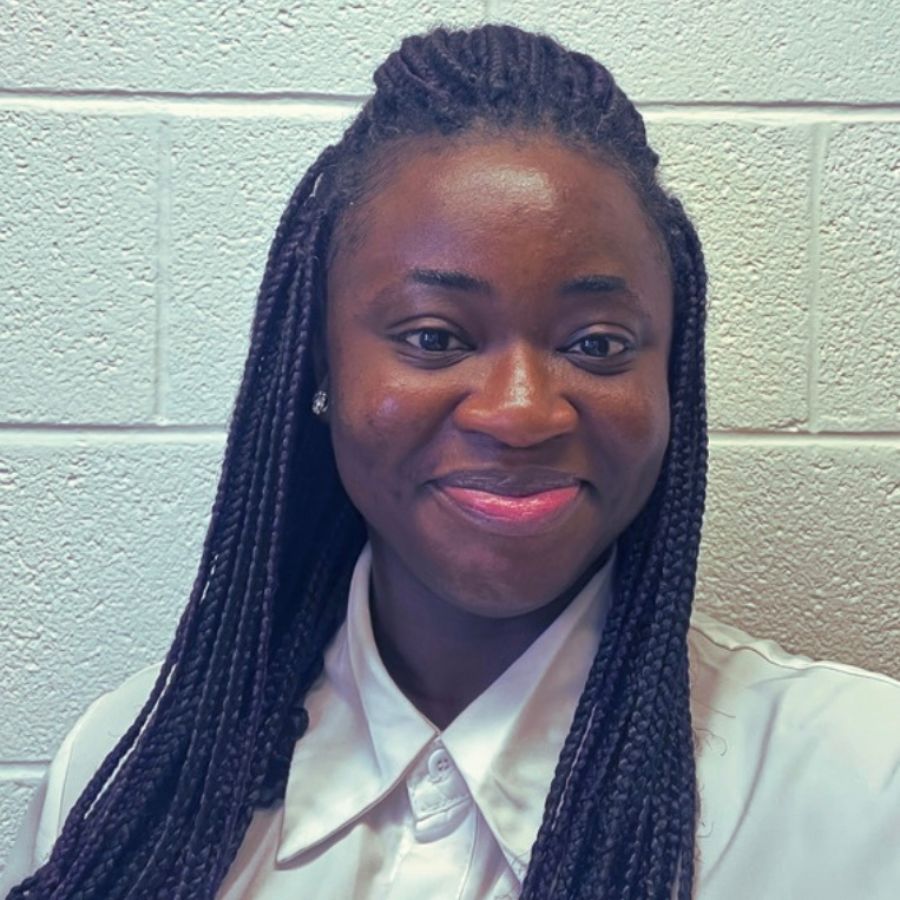
As a physician, I have always been drawn to a simple but important question: what if we could treat the root cause of disease, rather than just manage its symptoms? This question shaped my early training at the West African Centre for Cell Biology and Infectious Pathogens, where I worked in the Paemka Lab that is focused on genetic breast cancer risk in Ghanaian women. That experience revealed how genetic research can transform approaches to care. During my PhD in pharmacology, I have built on this foundation by characterizing a common genetic mutation in cerebral cavernous malformations, a major cause of pediatric stroke, while exploring ACE-tRNA and gene therapy as strategies to correct the disease at the molecular level. I am also working on a project focused on standardizing molecular therapies for cystic fibrosis. Through this work, I have come to understand that scientific innovation alone is not enough—its impact depends on whether patients understand it, trust it, and can access it. My goal is to bridge the gap between discovery and care by advancing therapies that are accessible, understood, and improve both survival and quality of life—especially in communities where fear and limited awareness delay treatment. I am dedicated to mentorship, particularly for students from underrepresented backgrounds, to help empower the next generation of researchers. I believe the OneWe Reach community will strengthen my ability to scale this impact through leadership development, mentorship, and access to a network committed to transforming health outcomes.
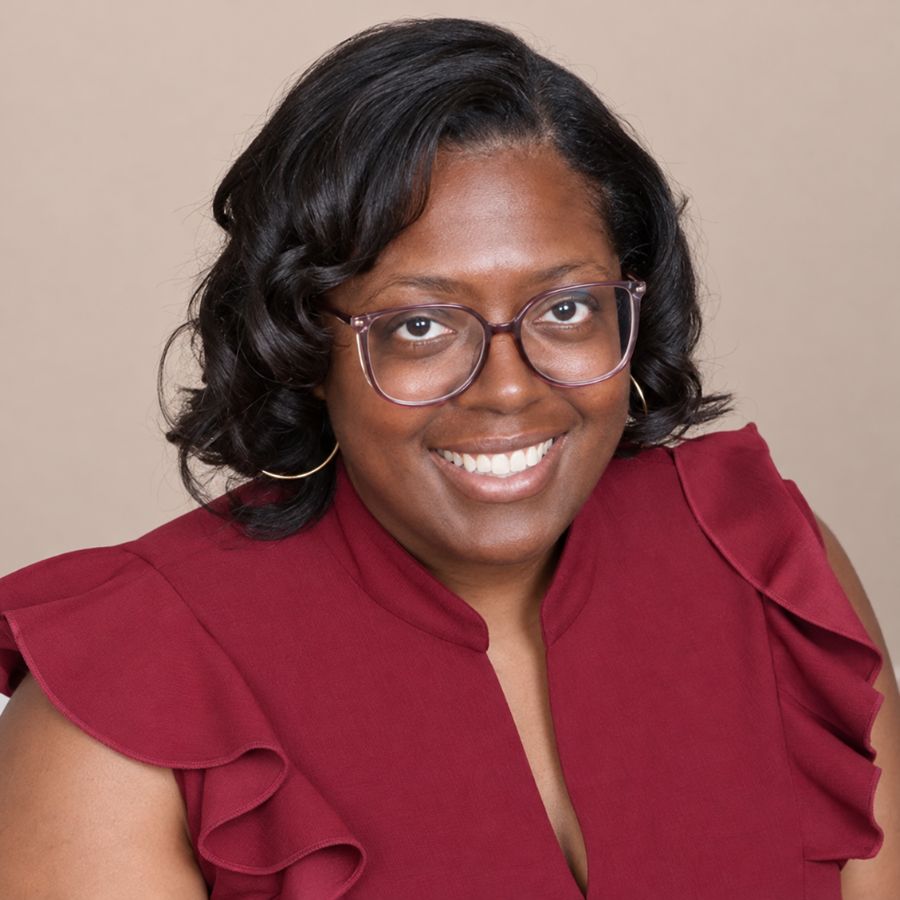
Through a career in biopharma and life sciences, I hope to expand who is seen, heard, and valued in the development of new therapies. My goal is to increase diverse representation, talent, and voices across the entire ecosystem from early scientific research to commercialization and post‑market evidence generation. Too often, diversity and community engagement are limited to rare disease advocacy or late‑stage outreach. I want to help shift that paradigm so that patient perspectives, especially from historically underrepresented communities, are embedded throughout the product lifecycle. I aim to contribute to a future where real‑world evidence, patient‑reported outcomes, and community‑driven insights meaningfully shape clinical development, regulatory strategy, and payer decision‑making. This includes advocating for inclusive data sources, equitable study designs, and evidence that reflects the lived experiences of patients across therapeutic areas. Beyond scientific impact, I hope to serve as a visible example of representation in HEOR and RWE—fields where diverse voices remain limited. Through mentorship, leadership roles, and community engagement, I want to help build pathways for students and early‑career scientists who may not see themselves reflected in biopharma today. Ultimately, my goal is to help ensure that innovation is not only scientifically excellent but also equitable, accessible, and grounded in the needs of the communities it intends to serve.
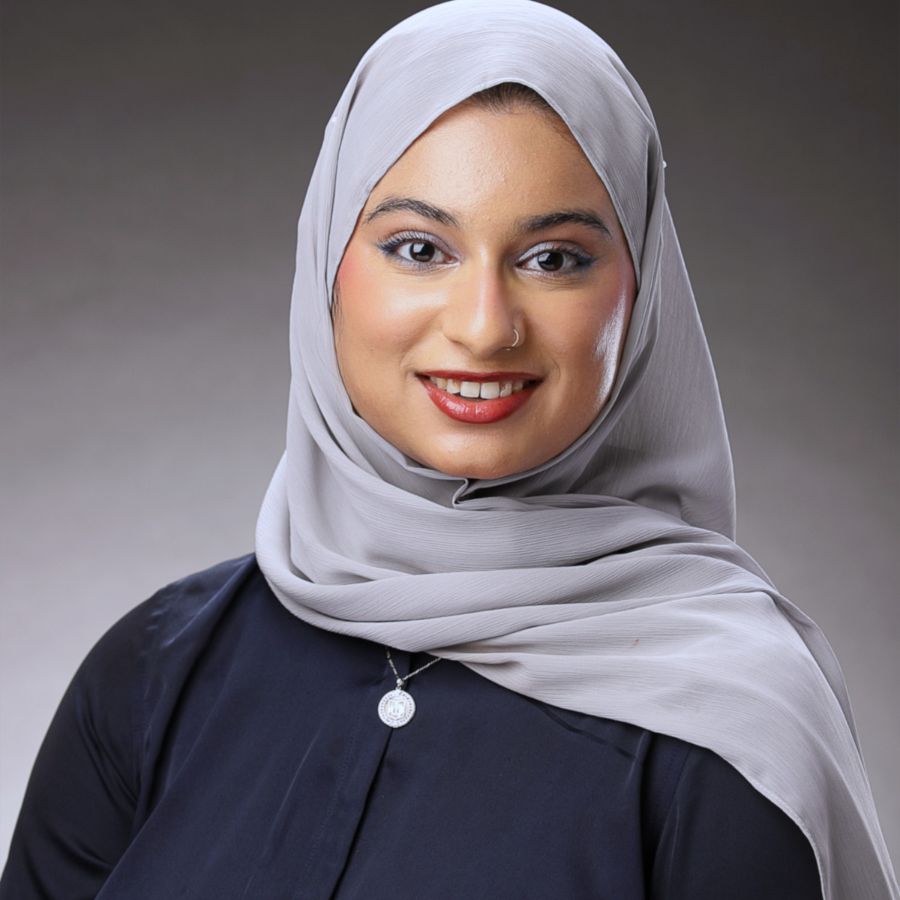
Through a career in biopharma and life sciences, I hope to make healthcare more accessible while improving patient outcomes on both an individual and population-level. I am particularly motivated by the gap that often exists between therapeutic innovation and real-world patient access. I believe that developing effective therapies is as important as ensuring that patients can understand, obtain, and benefit from them. I aim to contribute to the development and delivery of therapies that address unmet medical needs, while also advocating for strategies that reduce barriers to access, such as cost, health literacy, and systemic inequities. Whether through clinical research, medical affairs, or patient-centered initiatives, I want to help translate scientific advancements into meaningful improvements in patients’ lives. As a future healthcare professional, I also aim to be culturally conscious and sensitive in my practice. As a daughter of immigrants, I have seen firsthand how language, cultural beliefs, and health literacy can affect a patient’s ability to access and receive quality healthcare.
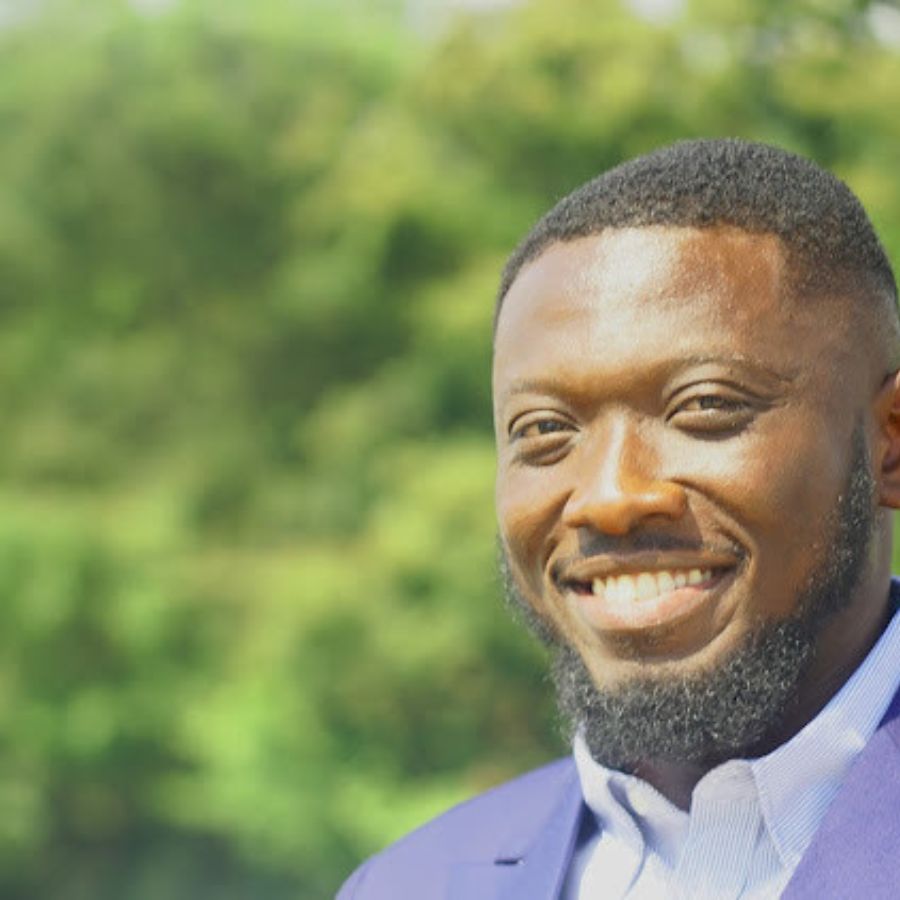
My aim in a biopharma career is straightforward: to bridge the gap between scientific breakthroughs and those who benefit from them most. Through my engagement in clinical care, research, and community outreach, I have observed how patients frequently fall through the gaps, not due to a lack of treatments, but because access, awareness (education), and trust are not equitably distributed. Working in biopharma gives me the chance to change that, working at scale. I want to contribute to therapies and initiatives that reach communities historically overlooked in healthcare. As a clinician, I have seen how stigma, misinformation, and structural barriers shape outcomes, especially for people of color and low income populations. As a researcher and communicator, I have learned how to translate complex data into clear, actionable insights. Also as a Red Cross biomedical committee member, I saw firsthand how targeted outreach can shift behavior; our strategy to engage donors of color led to a 70% success rate during the sickle cell blood drive initiative. In biopharma, I hope to bring these threads together. I want to support evidence generation, communicate science with empathy, and help design programs that reflect the realities of diverse and marginalized groups of patients. Whether via medical affairs, patient-focused initiatives, or cross-functional teamwork, my aim is to guarantee that innovation moves beyond journals, social media, or conference rooms and is brought into communities to enhance trust, equity, and outcomes.
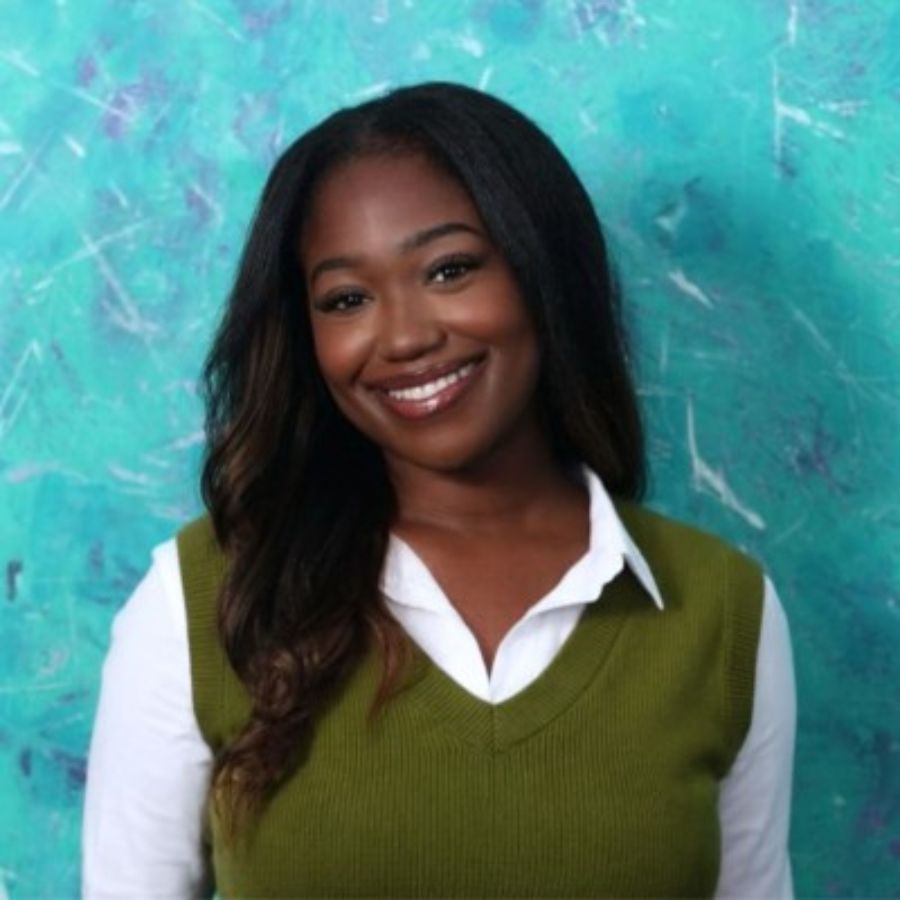
Through a career in biopharma, I hope to have an impact in a space that sits between engineering and social advocacy. During undergrad, I minored in Social Entrepreneurship because I am interested in how engineering design can be used to address challenges faced by under-resourced or marginalized populations in practice. Due to that, I think a lot about advocacy alongside my research. Currently, in my doctoral research, I study asthma, which disproportionately affects African American communities and individuals from lower socioeconomic backgrounds. Being personally from that demographic has shaped how I think about research, not just in terms of scientific discovery, but in terms of who is most impacted and how solutions are ultimately designed, delivered, and accessed. Moving forward, I hope to continue working in areas where there is a clear gap in health outcomes. That could mean studying diseases that disproportionately impact marginalized populations or contributing to therapies that are low-cost and accessible at a global level. I don’t think impact in biopharma is just about developing something new; it’s also about whether that solution reaches the people it was meant to serve. That perspective is why OneWe Reach resonates with me. Its focus on improving global health outcomes and empowering professionals to be impactful would really benefit my growth and learning as an early-career researcher. I’m especially drawn to its emphasis on understanding the broader life sciences ecosystem and creating access to opportunities, which reflects the kind of intentional, equity-driven career I hope to build.
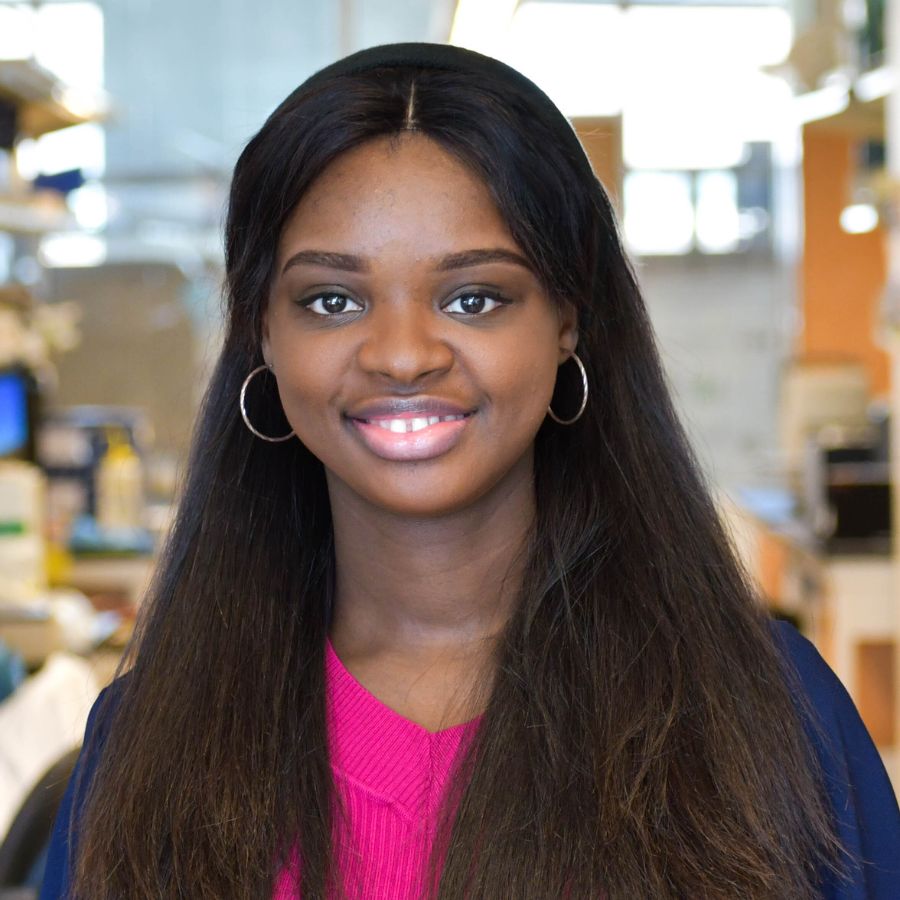
Growing up in Nigeria, I watched treatable conditions become life-threatening because the infrastructure, education, and access required to intervene simply did not exist. That experience set the trajectory for everything I have pursued since: building systems, whether therapeutic, educational, or organizational, that close the gap between what science can do and who it actually reaches. My research on engineered live biotherapeutics for phenylketonuria and oral delivery platforms for cancer immunotherapy reflects this commitment. These are technologies designed to be practical, accessible, and suited for real-world clinical use, not just laboratory proof of concept. I want to continue contributing to translational science that prioritizes the patients and communities most often left behind by conventional drug development. But I believe the most durable community impact I can have is through the people I train. As Co-Chair of the Diversity, Equity, and Inclusion committee within the Biomedical Engineering Doctoral Council at Washington University, I worked to make our program a place where students from underrepresented backgrounds could see a future for themselves in science. At GlaxoSmithKline, I created a pharmacy-based asthma awareness program that reached thousands of patients in underserved Nigerian communities. In the Dantas Laboratory, I have mentored undergraduates who arrived unsure of their place in research and left with the confidence and skills to pursue graduate training. The community impact I am working toward is not a single breakthrough. It is a generation of scientists, clinicians, and health professionals who carry both the technical skill and the lived perspective to ensure that the benefits of biopharma reach everyone.
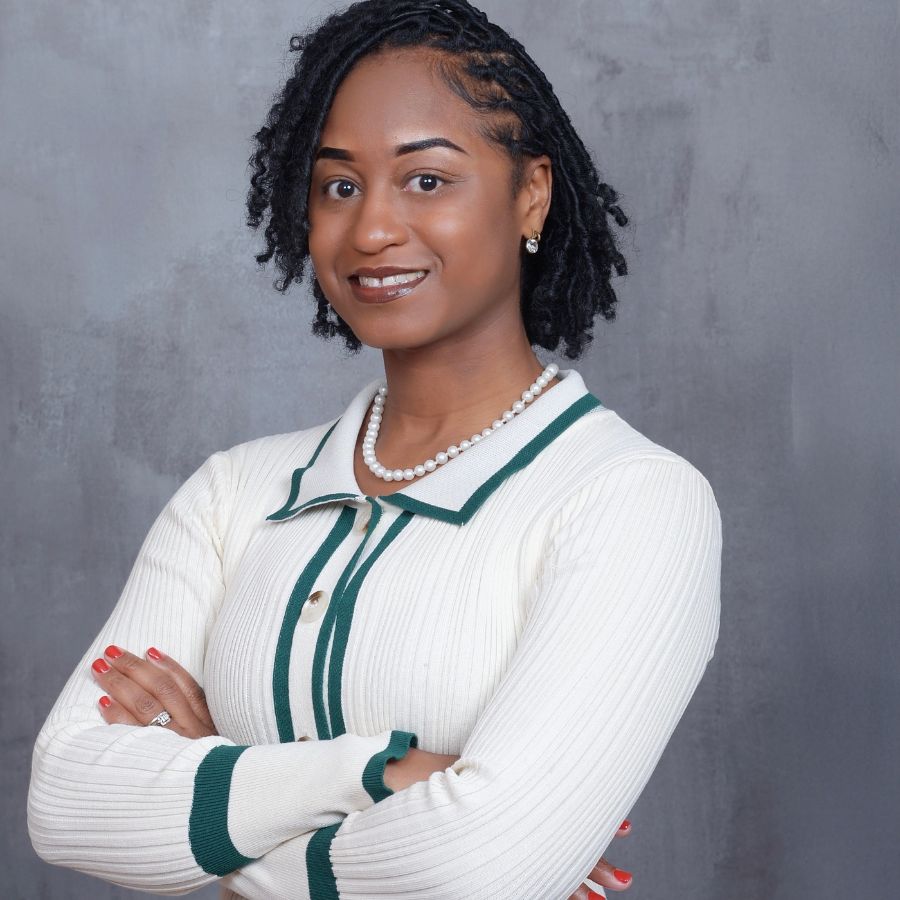
My vision for the future of healthcare and biopharma is a more equitable, more representative, and more patient-centered system. Too often, the people in the rooms making high-level decisions about complex health challenges don’t reflect or fully understand the communities affected by those decisions. I want to help change that. Having worked directly with patients early in my career, I’ve seen firsthand how difficult it can be for many to navigate this system, especially patients from historically marginalized backgrounds. In the future I envision, clinical trials and therapeutic development will be inclusive of the full spectrum of the population. This does not just start in patients who get recruited, but in those who design and lead the work. I want to use my skills and future training to help large biopharma companies truly put patients first. That means increasing access to cutting-edge treatments, removing systemic barriers, and ensuring that underserved communities no longer carry the largest burden of disease. I believe we can build a future in healthcare that is innovative and led with integrity. And I will be one of the leaders shaping this future. I hope to impact the community by delivering clinical trials to representative populations in ways that reduce cost and patient burden, while improving patient safety and reducing the timeline from bench to bedside.
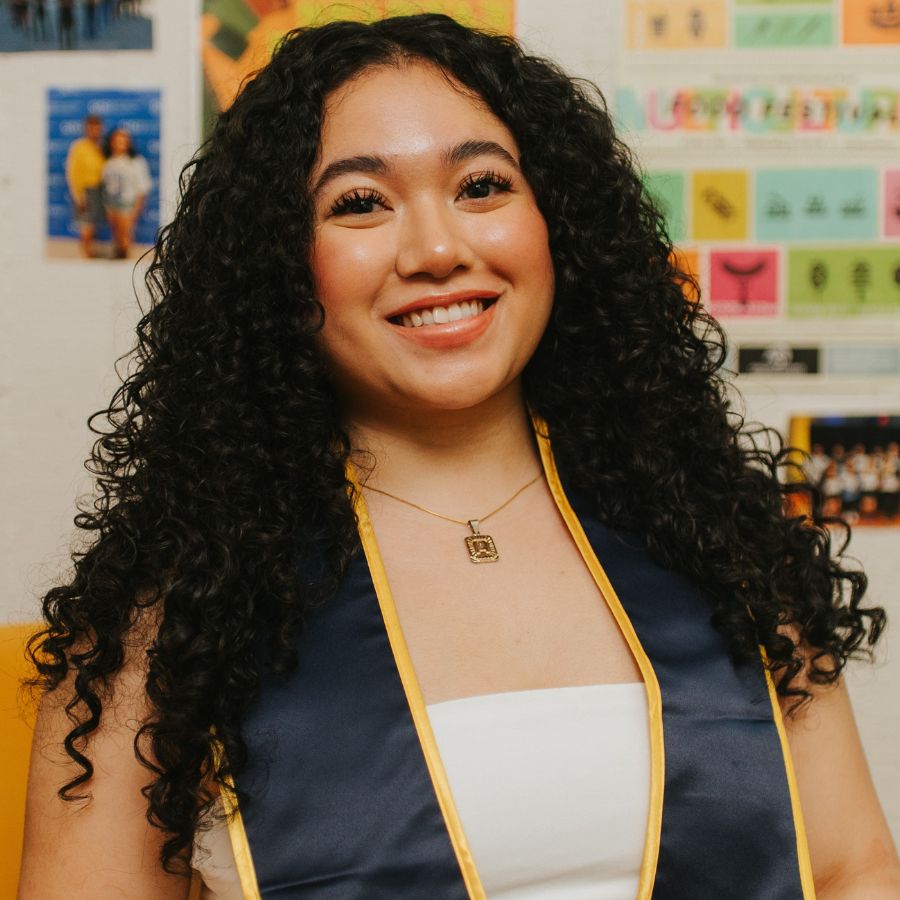
My long-term vision is to earn a PhD and become a global leader at the intersection of biotechnology and equitable innovation. As both a devoted researcher and a passionate advocate for equitable policies, I see the life sciences not just as a frontier for scientific discovery, but as a crucial avenue for social justice. Specifically, I aim to expand the potential of gene-editing technologies, such as CRISPR-Cas9, in stem cell and gene therapeutic applications. While advancing personalized medicine is essential for treating complex genetic disorders, its true revolutionary power lies in addressing the severe health equity disparities that plague marginalized communities, who historically face disproportionately worse healthcare outcomes. The community impact I hope to achieve is rooted in systemic inclusivity. I am determined to lead research initiatives that explicitly prioritize marginalized groups from the ground up. By ensuring that clinical trials and biotech innovations actively encompass underserved communities, we can accurately understand how diseases and their treatments uniquely impact diverse populations facing varying environmental and socioeconomic challenges. Ultimately, my goal is to ensure that the future of biopharma does not solely cater to the privileged. I hope to bridge the gap between benchside innovation and community application, ensuring life-saving, personalized medicine becomes accessible to all, regardless of background.
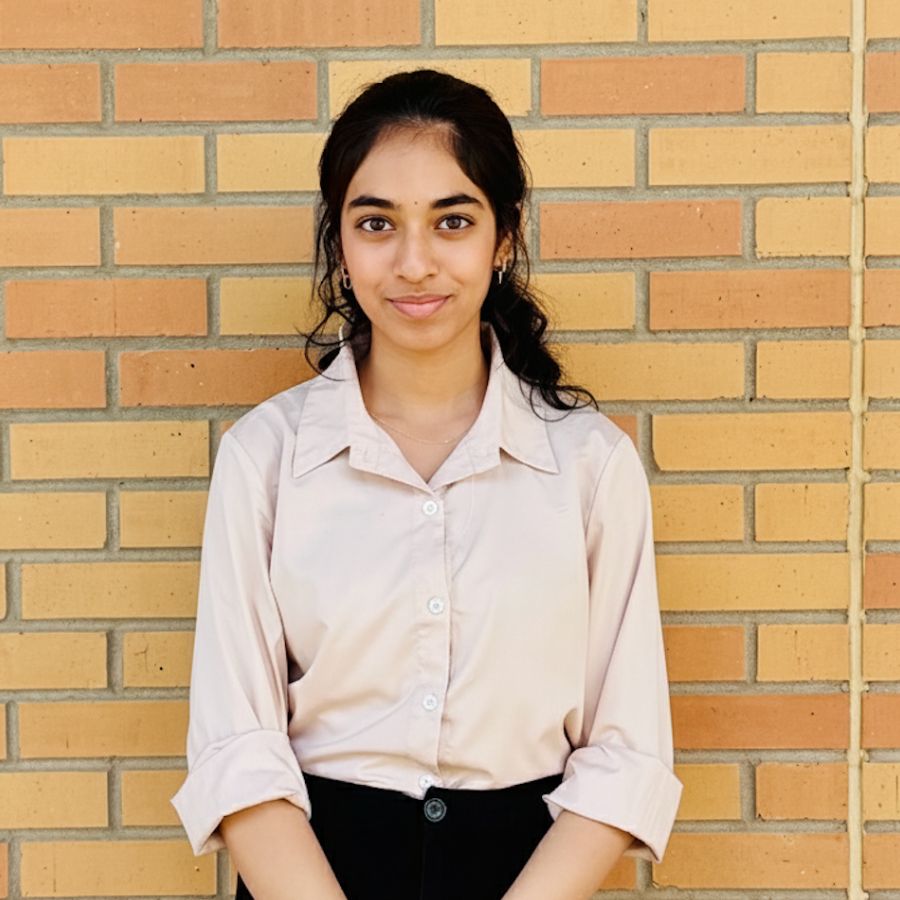
My goal in pursuing a career in biopharma and life sciences is to help close the gap between advanced medical innovation and real-world access to care. While research continues to produce powerful new technologies, many people still do not benefit from them due to cost, accessibility, or lack of infrastructure. I want to be part of changing that. Through my research experience in molecular biology and 3D bioprinting, I have seen how scientific advancements can transform healthcare. However, I have also realized that innovation alone is not enough. A breakthrough only matters if it can reach the people who need it most. This has shaped my focus on developing solutions that are not only effective, but also scalable and accessible across different communities. In addition to technical work, I am committed to supporting representation in STEM. Being involved in organizations like the Biomedical Engineering Society and the Society of Women Engineers has shown me how mentorship and community can open doors for students who may not otherwise see themselves in these fields. I want to continue contributing to this by mentoring others and creating more inclusive pathways into healthcare and research careers. Ultimately, I want my work to extend beyond the lab. My goal is to help develop healthcare solutions that are practical, inclusive, and capable of improving outcomes on a broader scale, ensuring that innovation benefits not just a few, but entire communities.
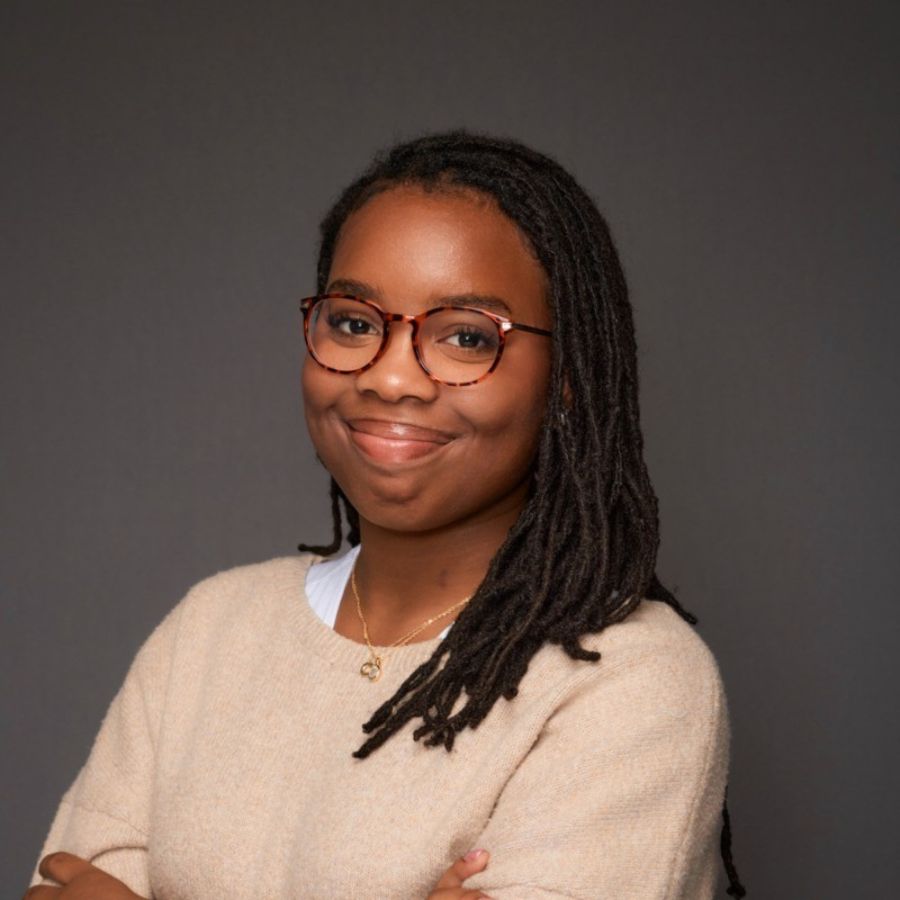
Through a career in biopharma and life sciences, I hope to bridge the gap between scientific innovation and equitable healthcare access. Growing up with Turner syndrome, I experienced firsthand how life-changing consistent, compassionate, and informed medical care can be. That experience drives my commitment to ensuring that advancements in biotechnology and medicine reach communities that are often overlooked. I aspire to contribute to the development of accessible therapies, particularly in areas such as hormone-related conditions, chronic illnesses, and rare diseases. However, my impact will extend beyond research and development. I aim to advocate for patient-centered care models that prioritize not only treatment outcomes but also dignity, education, and long-term support for patients and their families. In addition, I am deeply interested in addressing disparities in healthcare access. Many underserved communities face barriers such as cost, lack of information, and limited trust in medical systems. Through a combination of public health advocacy and industry work, I hope to support initiatives that improve clinical trial diversity, expand health education, and increase access to emerging therapies. I also plan to integrate my background in economics and public health to promote sustainable and ethical innovation. Scientific breakthroughs are only impactful if they are scalable and accessible, and I want to be part of shaping systems that ensure both. Ultimately, my goal is to contribute to a healthcare landscape where innovation serves everyone—where patients, regardless of background, feel seen, supported, and empowered in their care.
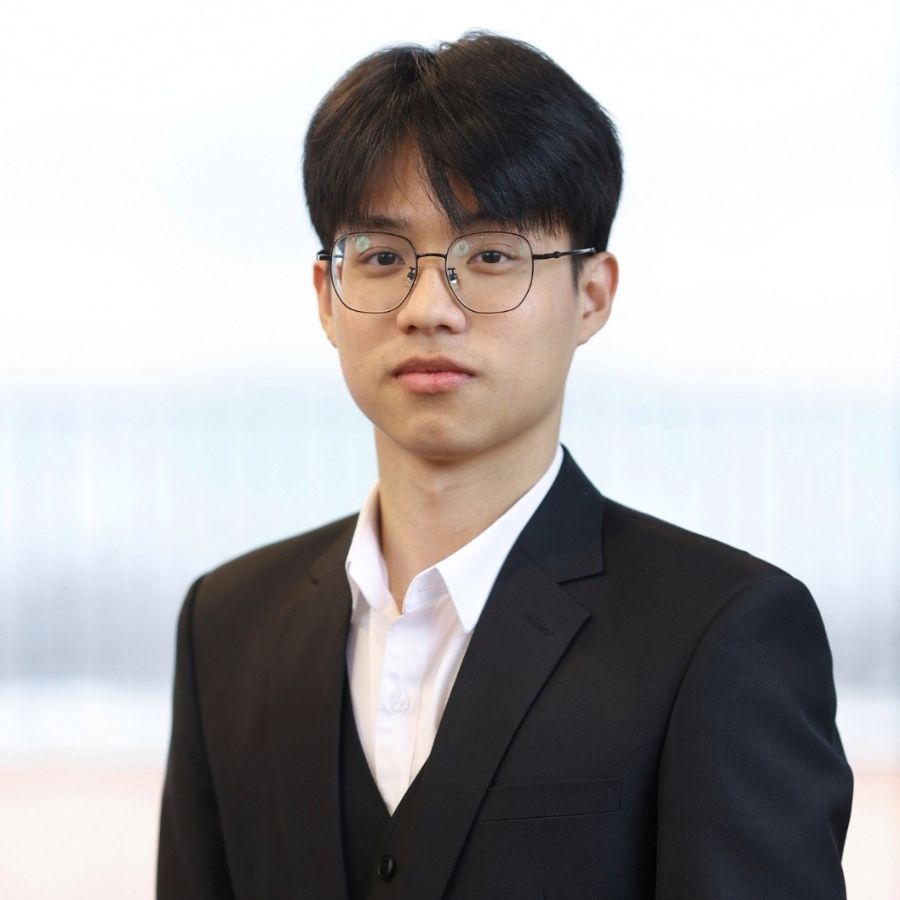
Through a career in biopharma and life sciences, I hope to contribute to improving healthcare access and advancing preventive care through technology and data-driven solutions. As a student studying computer science and applied mathematics, I am particularly interested in how computational tools, software systems, and data analysis can accelerate biomedical research and improve patient outcomes. I am inspired by the growing role of technology in helping researchers analyze complex biological data, identify patterns, and develop treatments more efficiently. For example, while building my Illness Insights web application, I explored how digital tools can help individuals better understand symptoms and access reliable health information. Experiences like this have motivated me to pursue work at the intersection of computing and life sciences, where technology can support earlier detection of disease and more informed healthcare decisions. Beyond technical innovation, I also hope to contribute to expanding access and opportunity in science and healthcare. As an international student, I have experienced how education and mentorship can open doors and shape someone’s future. I want to help create pathways for students from diverse backgrounds to enter STEM fields and participate in solving global health challenges. Ultimately, my goal is to help develop technologies and systems that make healthcare more proactive, accessible, and equitable for communities around the world.
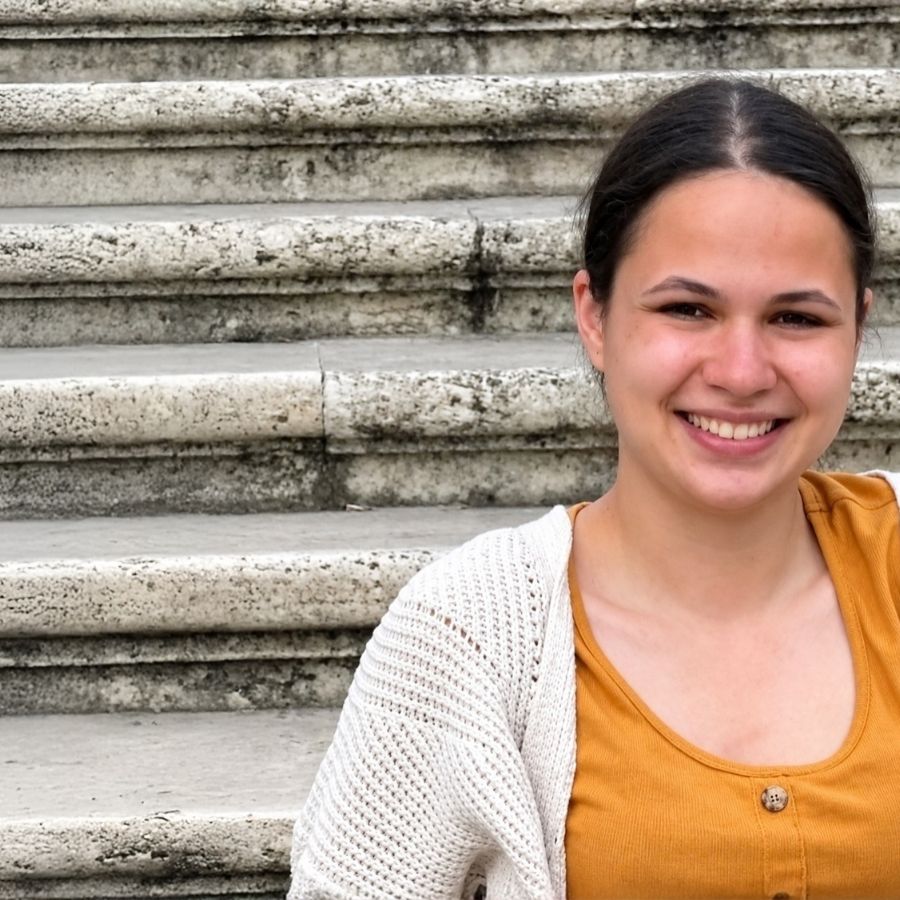
As a pharmacist, I wish to have a significant impact on the community. Pharmacists are the most readily available healthcare professionals to the community. I want to utilize this valuable opportunity to help patients make informed decisions regarding their health, feel more comfortable asking questions, and help them understand the medicines they take. I hope to use my voice to advocate for health awareness and preventive care, specifically in underserved areas where limitations such as language, cost, or limited healthcare access have the ability to affect outcomes. Through initiatives of supporting interdisciplinary care and providing clear counseling, I want to become a pharmacist that helps improve overall quality of life for many. I wish nothing more than to become a compassionate and trusted healthcare provider who does more than just dispense medications but also strengthens the well-being of the community and patients I serve.
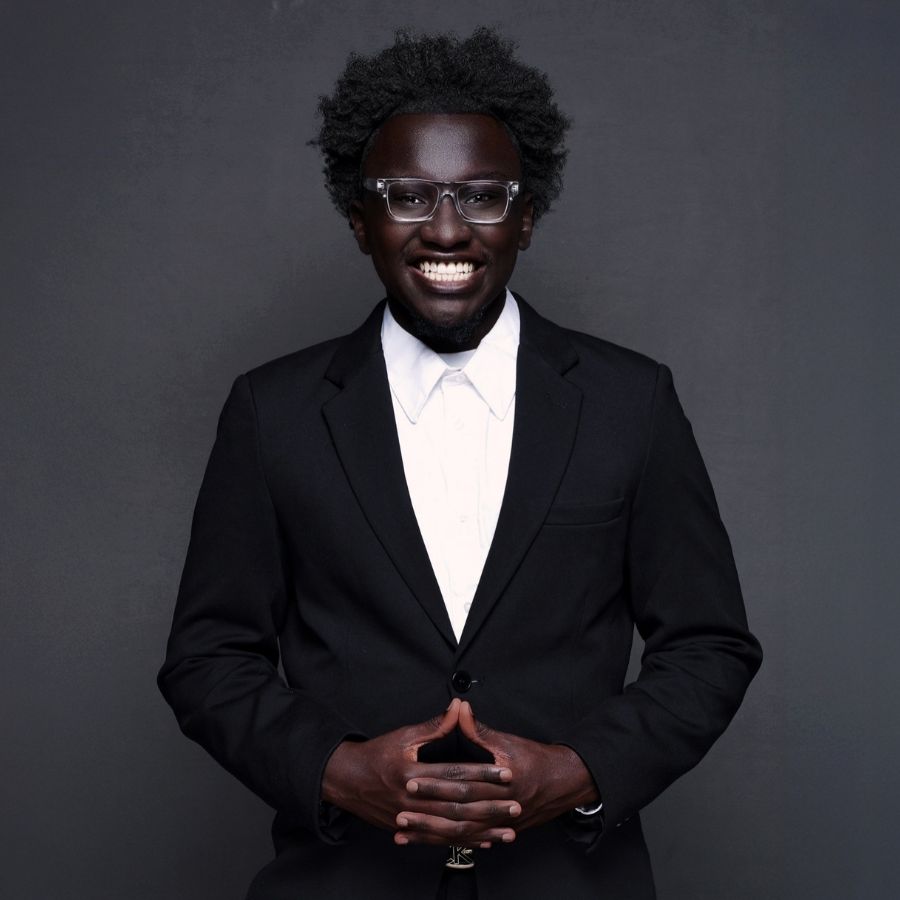
I hope to collaborate with Black scholars across the African diaspora throughout my career to solve health inequities and to promote local indigenous African community health knowledge. I believe that to solve health inequalities, we need direct input from Black/African community members across the globe. My first experience that inspired my community impact goal was an internship at the Bullet Related Injury Clinic (BRIC). I witnessed many Black doctors and BRIC workers utilizing indigenous knowledge to help treat gun-violence victims. With the mentorship and guidance of the BRIC, I incorporated what participants felt was best for their own overall health, which resulted in patients feeling comfortable and continuing to recover after they left the clinic. I even incorporated more Black voices in my research study after interviewing Black people’s experiences with Alopecia. There were challenges in finding prior studies until I discovered African scholarly research on hair. Because of the research studies conducted on the African continent, I was able to write an article on my research study, incorporating African scholarly work that highlights participants’ experiences in the study. My clinical and research experiences inspire me to promote Black voices in biopharma/life sciences. I strive to empower Black/African voices in research that have often been overlooked. I aspire to collaborate and amplify Black scholars and Black community members because their knowledge is the best way to create sustainable and long-lasting community impact in biopharma and life sciences.
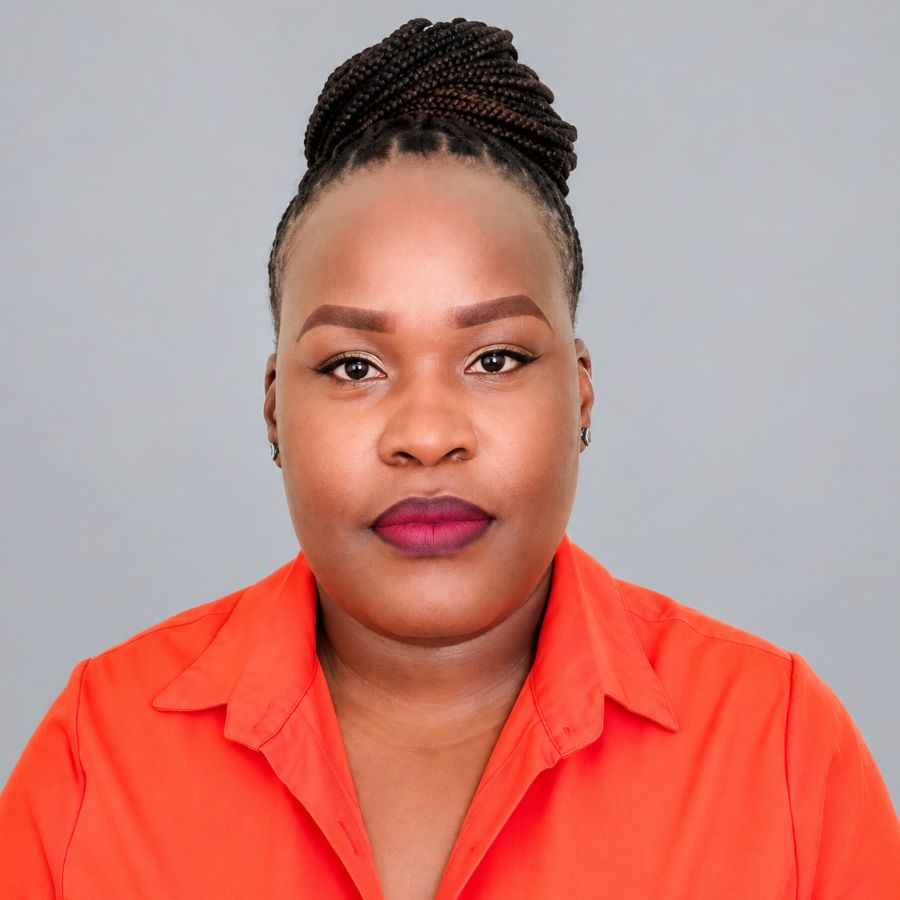
Through my career in biopharma and the life sciences, I aspire to create meaningful community impact by advancing patient-centered solutions that empower individuals to actively manage their health and improve overall outcomes. My vision is informed both by professional experience as a Patient Advocate and Safety Specialist and by my leadership roles in the Mount Kenya University Students Pharmacists Association Network (MKU-SPAN), where I facilitate initiatives that prepare students for professional practice while promoting social responsibility. In 2025, I coordinated and led a series of webinars: “Leadership & Innovation in Pharma Entrepreneurship,” “Patient Safety from the Start” via the global theme “Strengthening Health Systems through Pharmacovigilance,” “The Pharma Puzzle: Insights into Importation, Regulation, and Compliance,” and “Branding in Pharma: Balancing Creativity with Regulatory Standards,” along with market-focused sessions like “Tech-Driven Penetration” and “Penetration of the Market” that were designed to empower pharmacy students with practical skills and knowledge. These initiatives nurtured critical thinking, professional readiness, and community-oriented innovation. In the biopharma space, I aim to leverage these experiences to bridge gaps in access to accurate health information, contribute to the development of innovative therapies, and design inclusive health communication strategies that reflect real patient needs. By advancing pharmacovigilance, supporting equitable health policies, and leading community engagement, I hope to ensure that scientific innovations translate into accessible, trusted, and actionable care. Ultimately, my goal is to strengthen health systems that not only deliver treatments but also actively involve communities as partners in their care, amplifying patient voices, advocating for ethical access, and leaving a lasting legacy of empowerment, trust, and improved health outcomes.
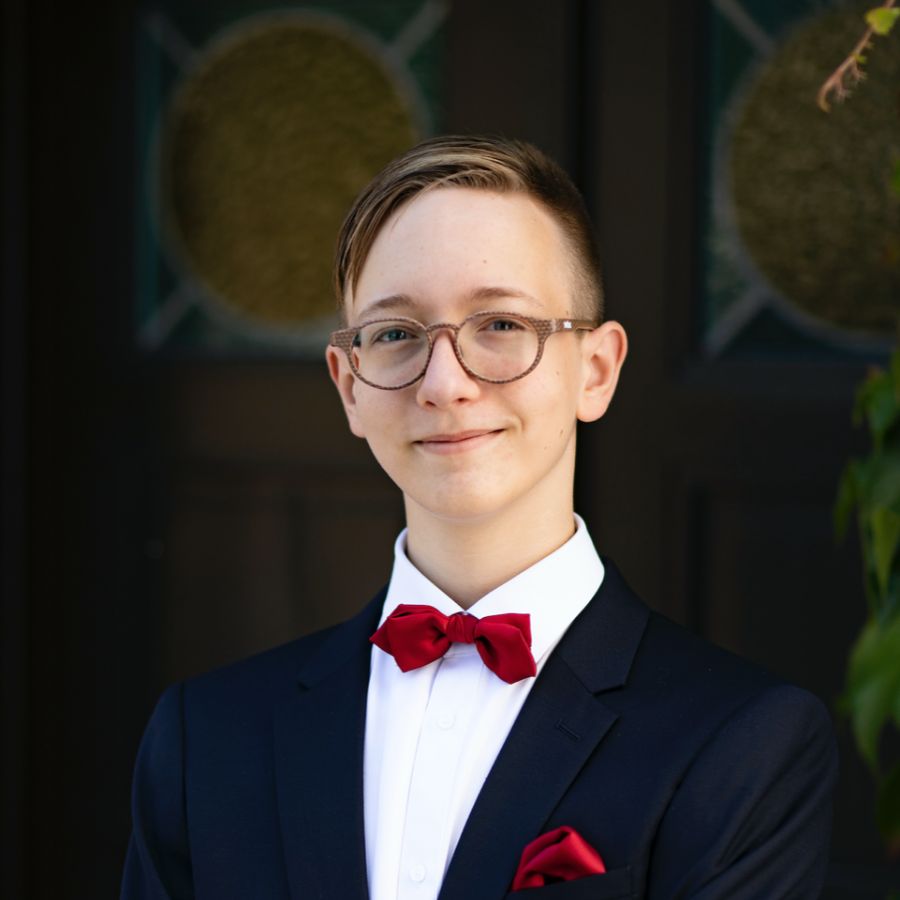
Through a career in life sciences, I hope to contribute both to advancing treatments for serious diseases and to building a strong, collaborative scientific community. My current work on macrocyclic inhibitors targeting Cryptococcus neoformans has shown me how research can directly translate into real-world impact. Cryptococcosis remains a devastating disease, responsible for approximately 118,000 deaths annually, particularly among immunocompromised patients. Being part of a project that aims to develop new antifungal agents has made the societal importance of medicinal chemistry tangible to me – work that can truly save lives. At the same time, I believe that long-term impact in science is not only measured by discoveries, but also by the people you empower along the way. I am already actively mentoring younger students in peptide synthesis and research methodology, helping them transition from learning theory to conducting independent experiments. Teaching has become a core part of how I see my role in science: by sharing knowledge and fostering curiosity, I can multiply my impact beyond my own work. In the future, I want to continue combining these two dimensions – developing therapeutics that address unmet medical needs, while also investing in education and mentorship. Whether through formal teaching, leading research teams, or outreach activities, I aim to make advanced science more accessible and to support talented young students in pursuing it. Ultimately, my goal is to contribute to a scientific ecosystem where innovation and mentorship reinforce each other, accelerating both discovery and the development of future scientists.